

Modern 911 Backdate: How Design Decisions Cascade From Bodywork to UX
June 8, 2026
How a Thoughtful 911 Backdate Really Starts
A serious 911 backdate starts long before a single panel is cut or a fender is reshaped. It begins when an owner arrives with an air-cooled Porsche 911 donor car and a clear feeling about how they want the car to drive, sound, and look in daily life. The goal is not to reinvent the car; it is to refine it, to keep the soul and character but remove the rough edges that get in the way of enjoyment.
Every choice sets off a chain reaction. Change the bodywork, and you touch cooling, weight balance, and tire size. Adjust the suspension, and you change steering feel and seating comfort. Even a simple move like a different rear grille pattern has effects on airflow, engine temperature, and noise in the cabin.
At PRINZIP R, working from Germany, we live inside these connections. We focus on high-end, handcrafted transformations of air-cooled 911 donor cars that feel like they could have been built by Porsche itself, just with a different brief. The world already knows high-profile backdate builders. Our focus is quieter, more OEM+ in spirit, shaped by German engineering culture and a respect for the original car. In this article, we walk through how choices flow from bodywork, to chassis, to user experience, and why a well-resolved 911 backdate always feels like one single idea.
Bodywork Choices That Shape Character and Structure
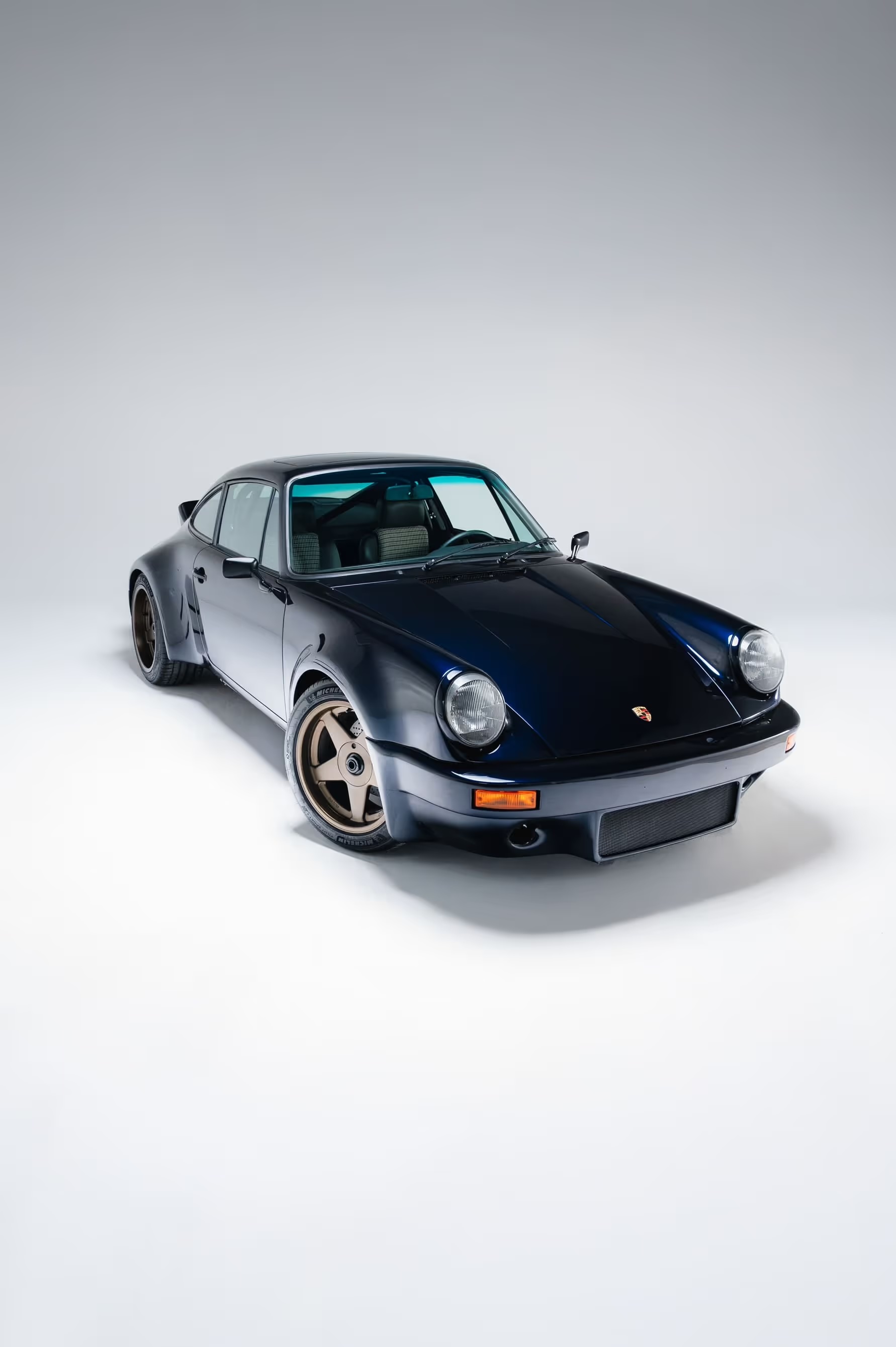
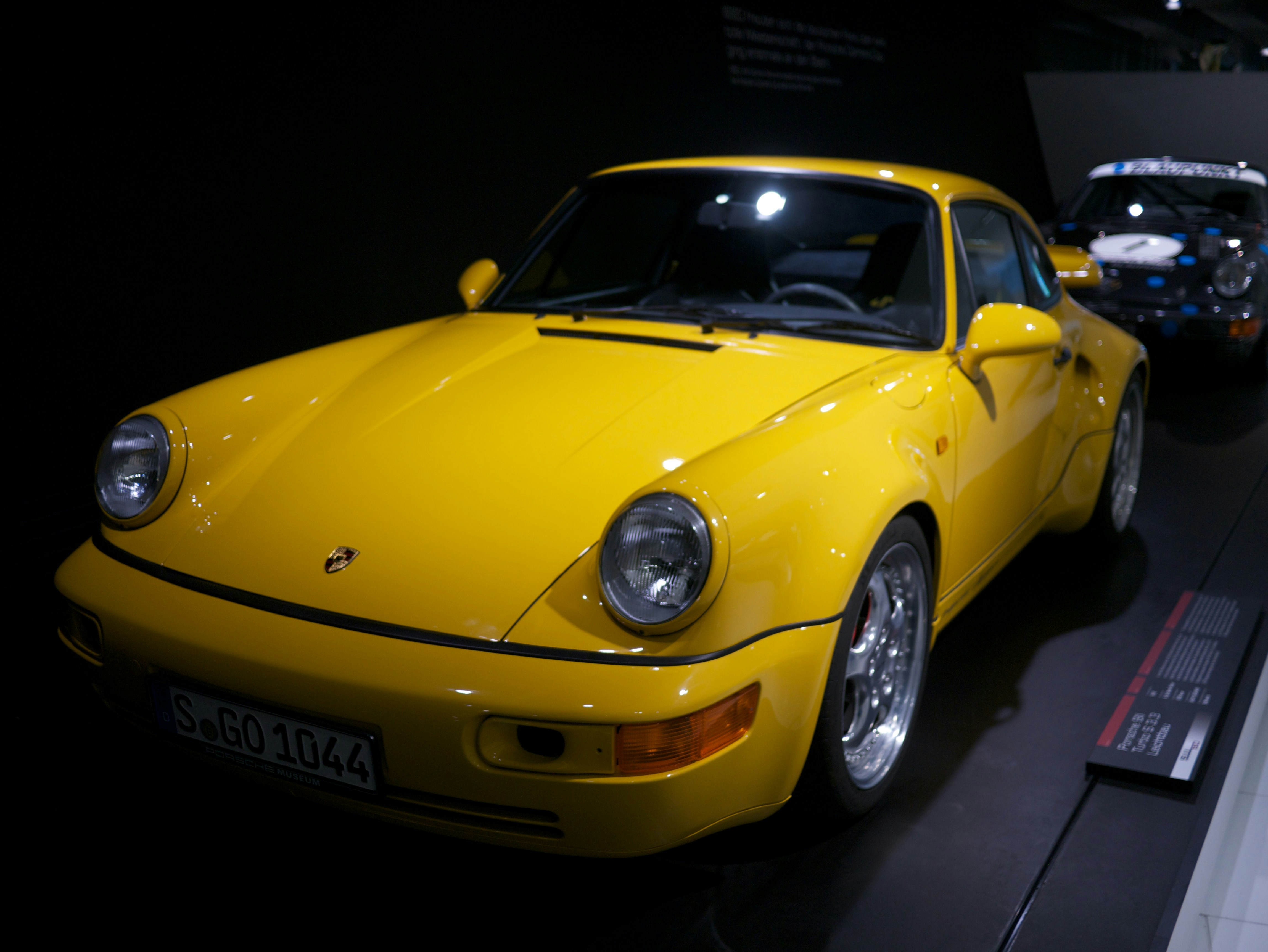
The first thing people notice is the shape. Narrow-body or wide-body, early bumper style or later, long-hood look or impact-bumper base, each path tells a story. But these are not only style decisions, they define what we can fit under the skin and how the car breathes and feels on a hot summer drive.
A few key body choices that start the chain reaction:
- Narrow vs wide hips, which affect track width, tire choice, and rear grip
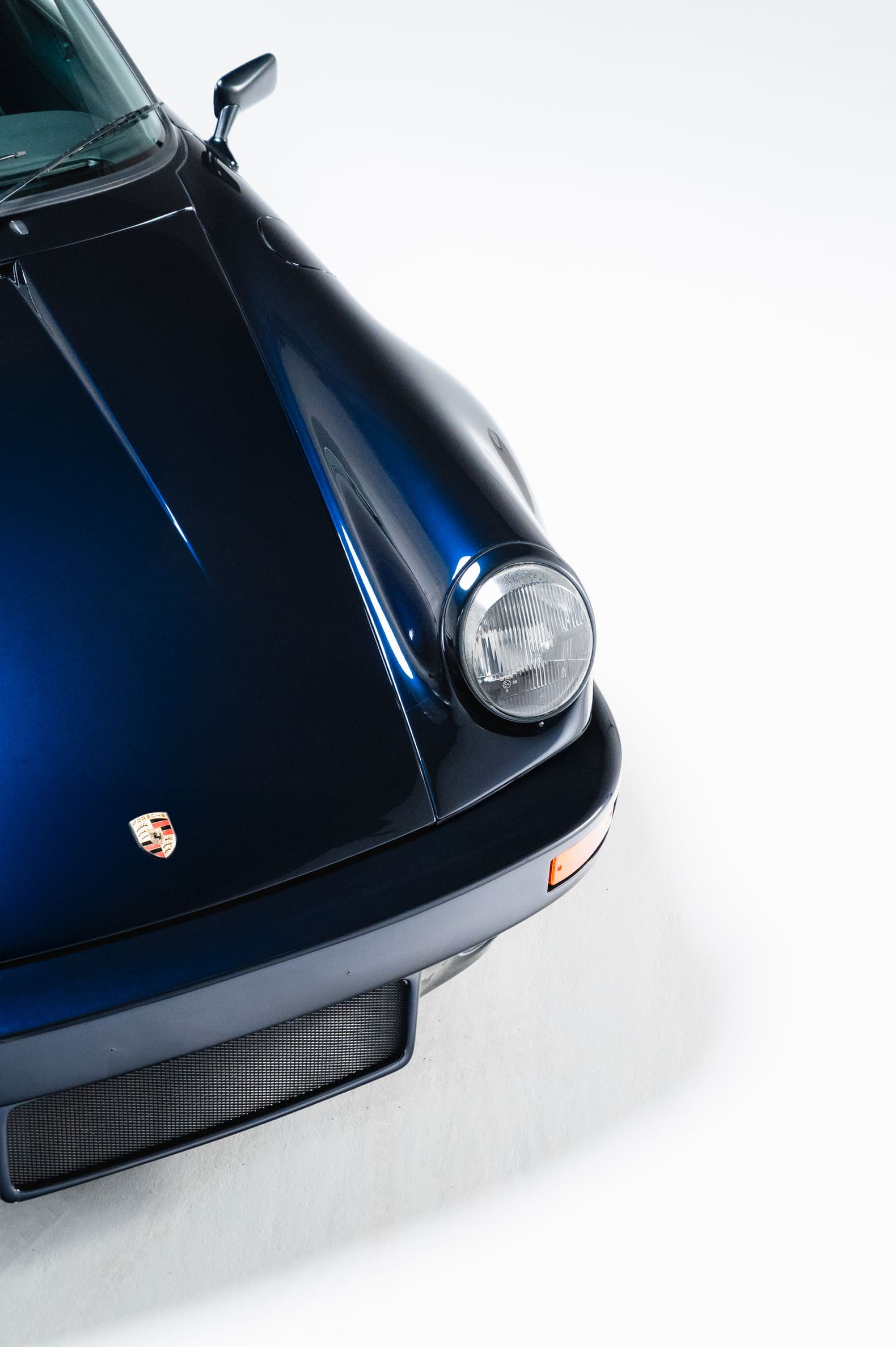
- Period-correct bumpers and early-style lighting, which change mounting points and wiring paths
- Classic mirrors and trim, which can shift wind noise and airflow around the side glass
- Ducktail, no tail, or subtle spoiler, which changes rear stability and cooling airflow
Hand-shaped metal is only part of it. Underneath the skin, we are working around:
- Fender reshaping and how close the inner structure sits to wider wheels
- Torsion tube and suspension clearance with lower ride heights
- Bumper mounts that still need to carry loads and protect key areas in a real-world impact
Cooling and aerodynamics are a big chapter. A front oil cooler that looks period-correct still needs smart airflow in summer traffic. The pattern of the rear grille, the size of the opening, and whether you choose a ducktail affect how hot air leaves the engine bay and how much air reaches the fan at speed.
At the same time, we pay attention to small modern touches. LED lighting setups, hidden parking sensors, and refined panel gaps can live inside a classic shape without shouting about it. Tight, consistent panel fit is not only about looks. It helps reduce wind noise, squeaks, and rattles, which makes the car calmer on long trips at Autobahn speeds.
Chassis and Suspension That Match the Look
Once the shell has its new attitude, the chassis has to live up to what the eye expects. A wider stance or period-style alloy wheels are not just wheels, they are a new set of rules for suspension geometry.
When bodywork pushes us to a certain stance, we talk through:
- Wheel diameter and width
- Tire profile for both comfort and feedback
- Brake package that still fits behind classic-looking wheels
- Ride height that works on real roads, not just in a garage
Corner-weighting is a quiet but important step. We set spring rates and damping to support fast summer backroad drives and stable high-speed runs, while keeping that honest, mechanical 911 feel. The car should still talk to you through the seat and hands, just with less nervousness and more control.
Weight distribution shifts when we add different bumpers, sound insulation, seats, or a more serious engine build. That leads to changes in:
- Anti-roll bar sizing front and rear
- Bushing materials where we balance precision against harshness
- Alignment settings like camber, caster, and toe, tuned to each owner’s use and tire choice
We work with trusted German engineering partners along with our own workshop experience to carefully evolve the classic torsion bar setup. The goal is not to erase its character, but to let it work at a higher level, with more precision and a broader comfort window.
Chassis tuning is never a single pass. We drive, adjust, sometimes log data, and we listen to owner feedback. The finished backdate should drive exactly how it looks: planted, clean, and confident, not fragile or twitchy.
Powertrain and Brakes with Air-Cooled Soul
The engine is the heart of any 911 backdate. For us, that means keeping the air-cooled sound and response that people love, while using modern machining and management to improve reliability and ease of use.
We often start from how the owner wants to use the car. Is it for alpine passes, warm coastal evenings, or mostly fast touring with the occasional track session? From there, we shape power and torque targets, then translate them into:
- Internal hardware choices like displacement and compression ratio
- Intake and exhaust concepts to keep sound rich but not tiring
- Engine management that gives clean cold starts and smooth throttle response
More power sets off another chain. We then revisit:
- Gearbox ratios and final drive for the new torque curve
- Clutch type and pedal effort for real-world traffic
- Oil cooling path and front cooler efficiency for long high-speed runs
- Brake sizing and pad choice to match higher speeds and mass
Our braking style is OEM+ in spirit. That often means larger rotors and calipers where the concept calls for it, but tucked behind classic wheel designs and tuned for pedal feel, not drama. The ideal backdate brake pedal is firm, easy to modulate, and never grabs or feels modern in a cold, distant way.
We are not chasing numbers or trying to outpace new supercars. We are building powertrain and brake packages that feel timeless, refined, and dependable, with an engine note that makes you want to go for a drive just to hear it again.
UX, Ergonomics, and a Cabin That Stays Quietly Smart
Once you sit inside, the car you saw from outside has to make sense. The interior is where you spend your time, so every change to cabin shape, seating position, or visibility has to support the story told by the bodywork and chassis.
We start with the driving position. Seat and steering wheel placement decide:
- How naturally you reach the wheel and shifter
- Pedal angles and comfort on long drives
- How well you can read the road surface through the chassis
- Whether taller or shorter drivers can get truly comfortable
Modern comforts can live inside a classic 911 cabin if they are quiet in style. That can mean discreet audio systems, hidden navigation, well-tuned climate control, and thoughtful sound insulation. The goal is to keep the classic look and feel, not to turn the car into a rolling gadget.
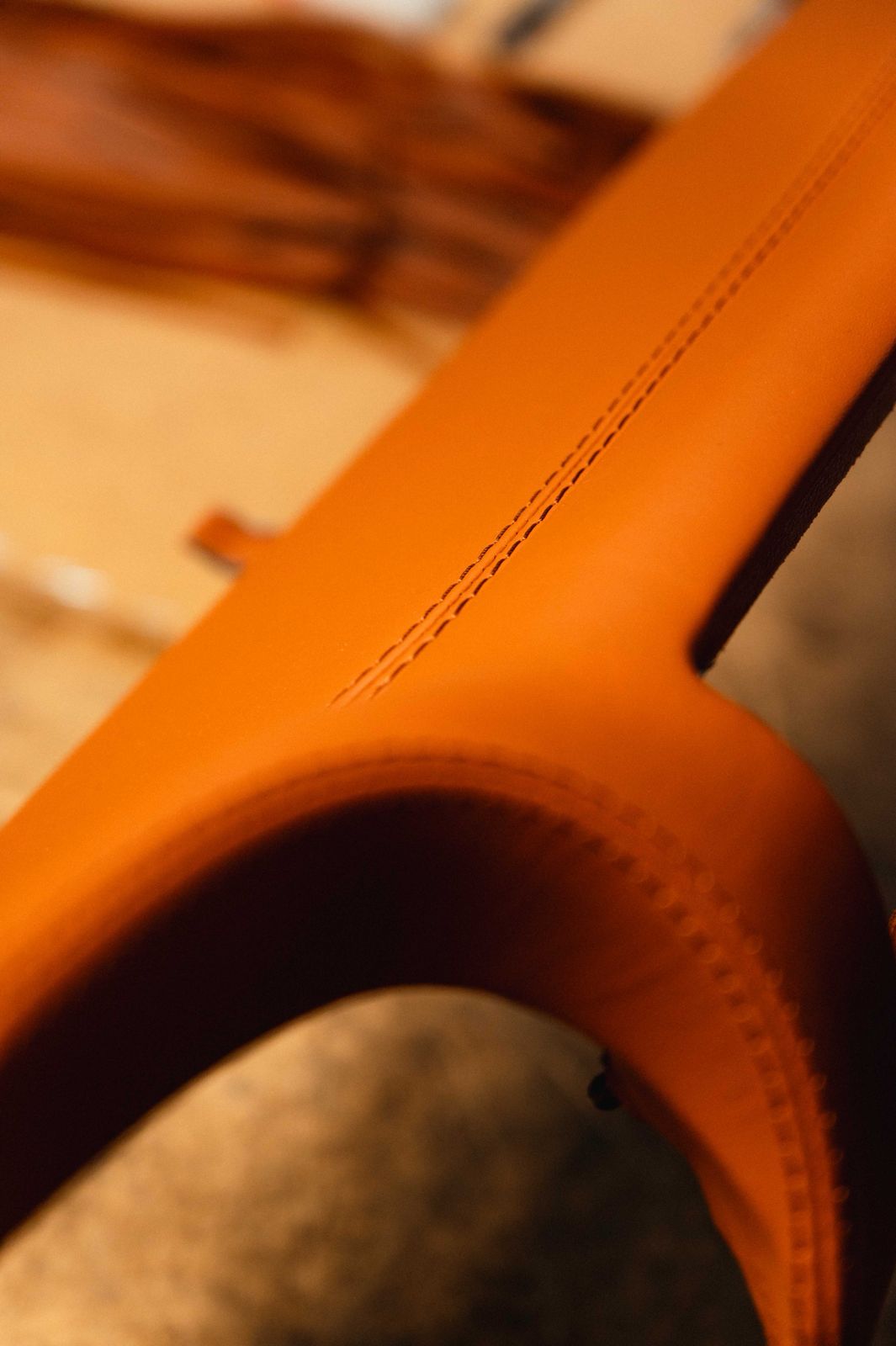
Material choices pull the whole concept together. Leathers, stitching patterns, inlays, and switch finishes should echo the exterior color and the era that inspires the build. We prefer a curated, calm approach over something that feels over-restored or noisy.
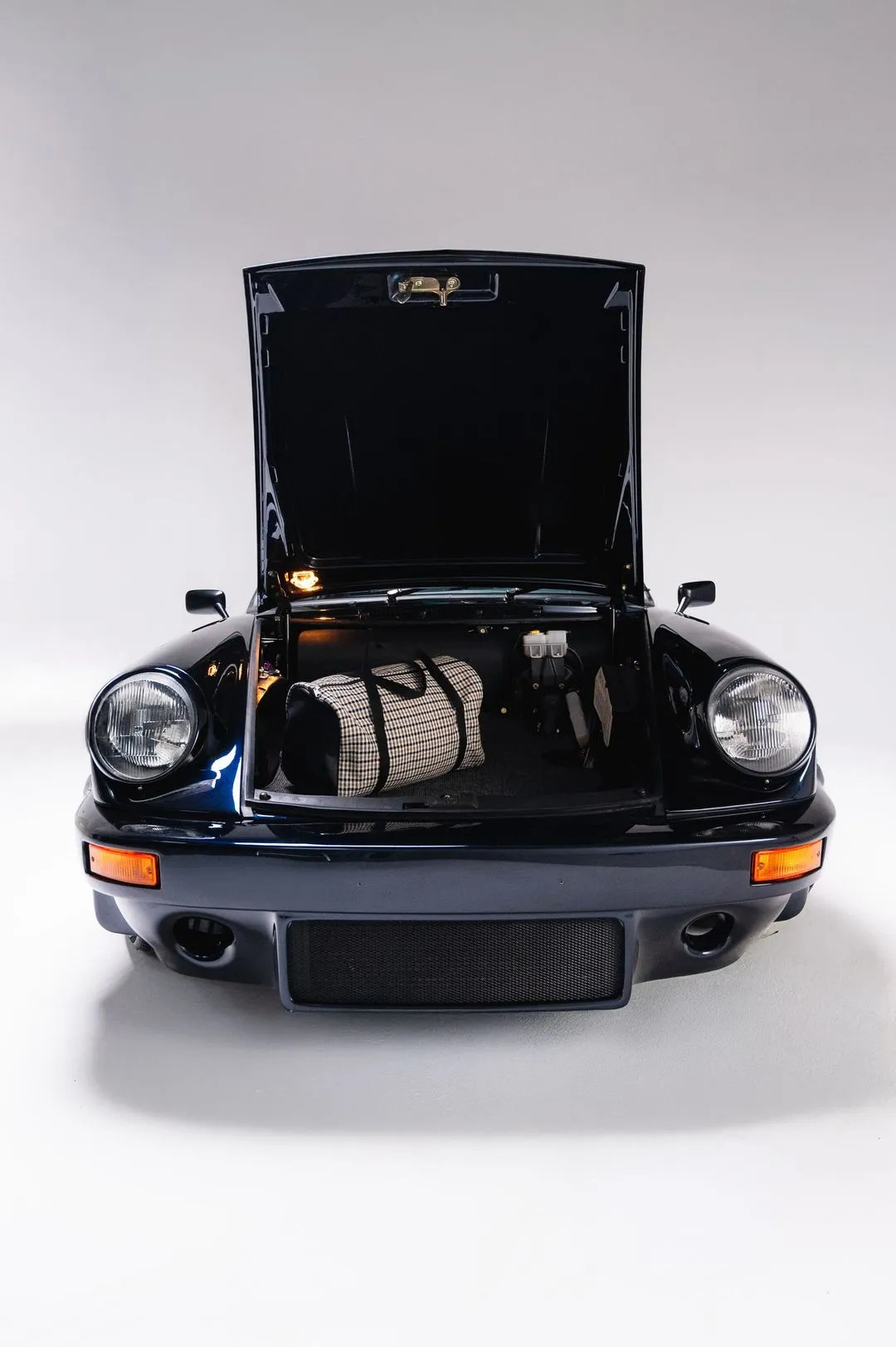
Finally, we test the car in normal life. Hot traffic on a summer afternoon, early-morning departures when you do not want to wake the whole street, weekend luggage in the trunk and rear seats. A finished backdate should function as a refined object you can use often, not just a showpiece for a static display.
From First Idea to First Drive
When all of this is aligned, a single choice, like picking a specific period body style or deciding the car should be ideal for summer touring, ripples through the whole project. Bodywork, chassis, powertrain, and user experience stop being separate topics and turn into one clear concept that can be felt in every corner and every shift.
At PRINZIP R, we guide owners through this process in a structured, calm way. There are detailed talks, visual proposals, engineering checks, and build milestones that keep the project focused and grounded in the donor car’s strengths. Thoughtful planning is important, because a fully resolved 911 backdate needs time for design, fabrication, and testing before it is ready for its first warm-season drive.
Transform Your Vision Into a Classic 911 Reality
If you are ready to turn your ideas into a bespoke classic, we are here at PRINZIP R to guide every step of your 911 backdate project. Share your goals, preferences, and driving style so we can propose the right concept, specification, and timeline. To explore options, discuss budget, or schedule a consultation, simply contact us and we will get back to you with next steps.
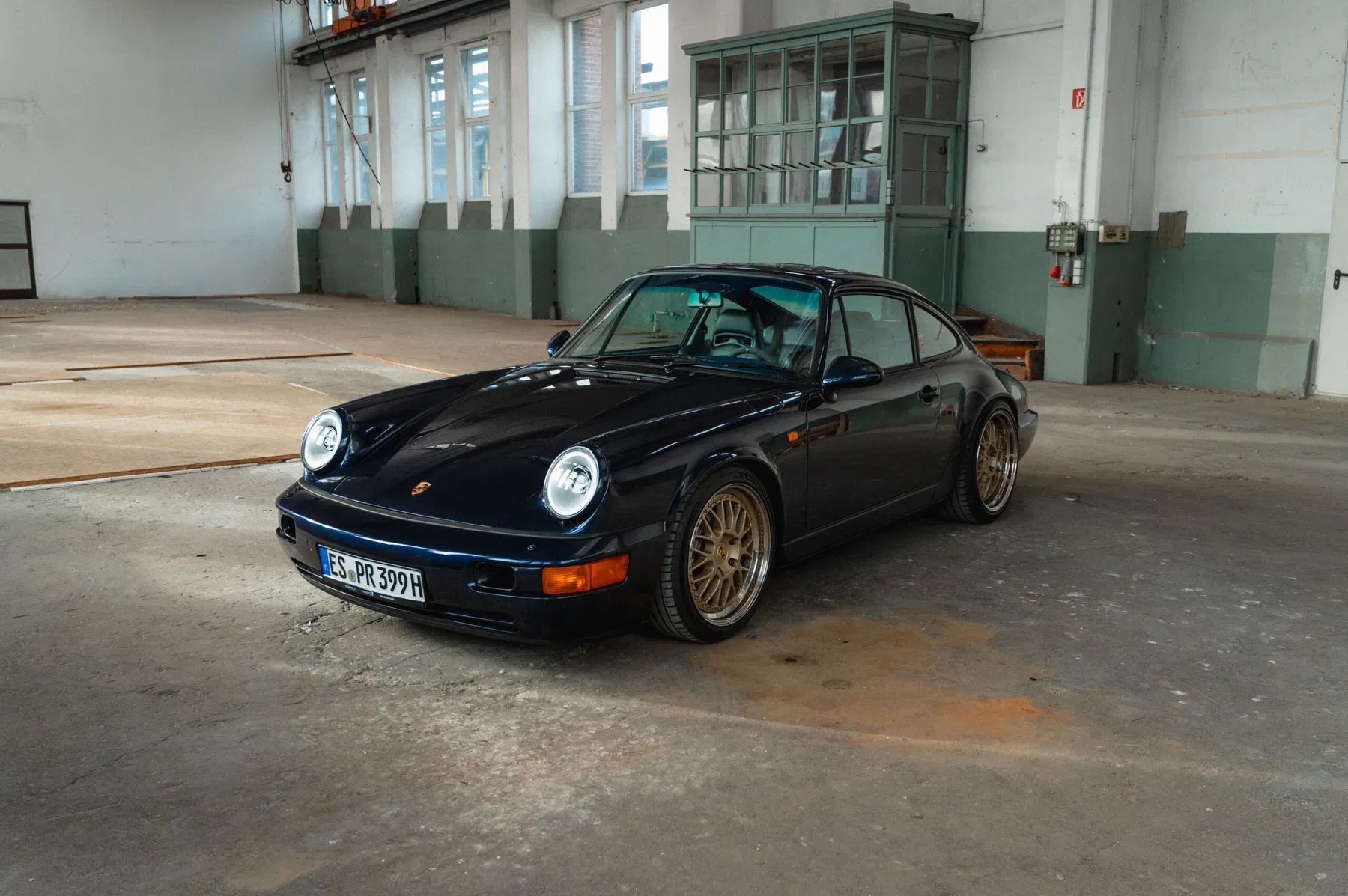
Unsere in Handarbeit optimierten Projekte - Maßgeschneidert auf persönliche Präferenzen
%20(1)%20(1).avif)
.avif)









.jpeg)
.avif)