

Recognising Truly Handcrafted Porsche 911 Restomods
.jpg)
July 2, 2026
Why True Handcraft Matters in a Restomod 911
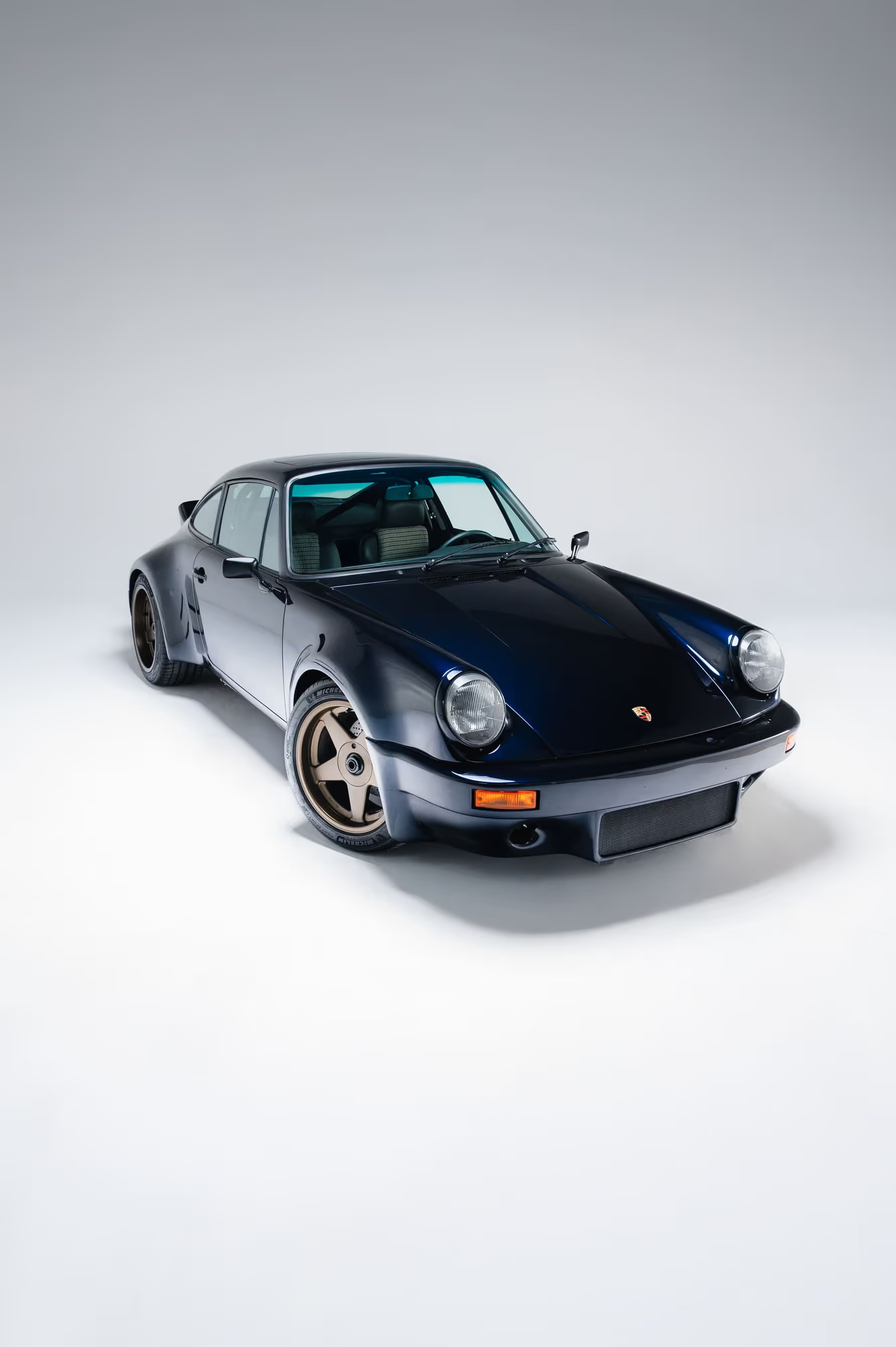
Handcrafted Porsche work is talked about a lot, especially around air-cooled 911 restomods. But those words can mean many different things, from simple bolt-on builds to deep, craftsman-led reimagining. If you own an air-cooled 911, that difference is not just about style; it touches safety, value, and how the car feels every time you turn the key.
For many owners, an older 911 is more than a fun toy. It can be a long-term asset, a family car with stories attached, or the one car that always lives in the heated garage. When you choose to rework it, you are deciding what that car will be for the next decades. Knowing how to recognize true handcraft helps you protect what you already love about your car while improving how it drives, feels, and lives with you.
What Handcrafted Porsche Should Really Mean
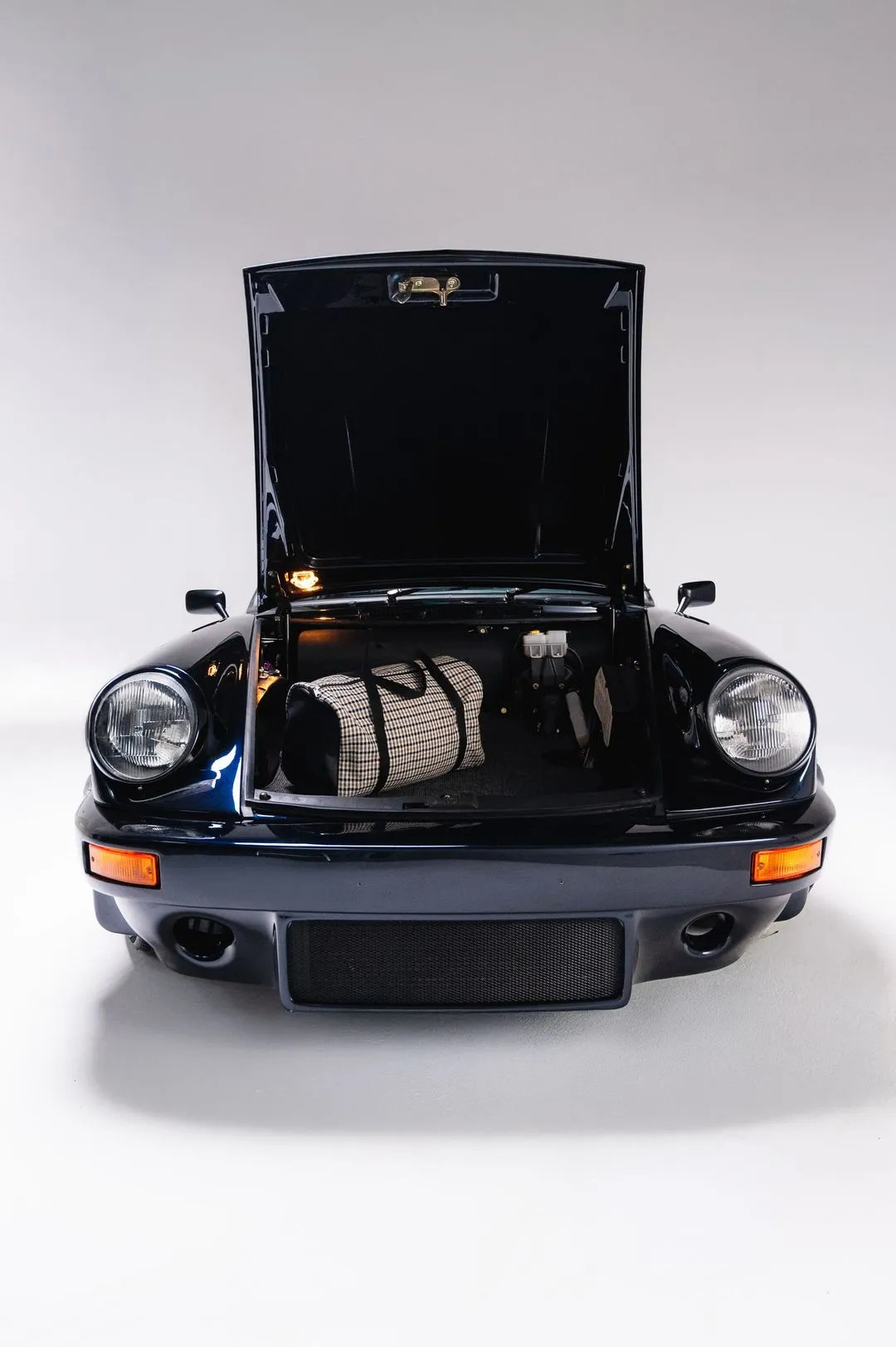
When we say handcrafted Porsche in the strict sense, we mean real work by real specialists on the actual metal, leather, engine, and chassis of your donor car. Not a generic shell with a shopping list of parts. True craft is slow, skilled, and specific to each 911.
A serious handcrafted build usually includes:
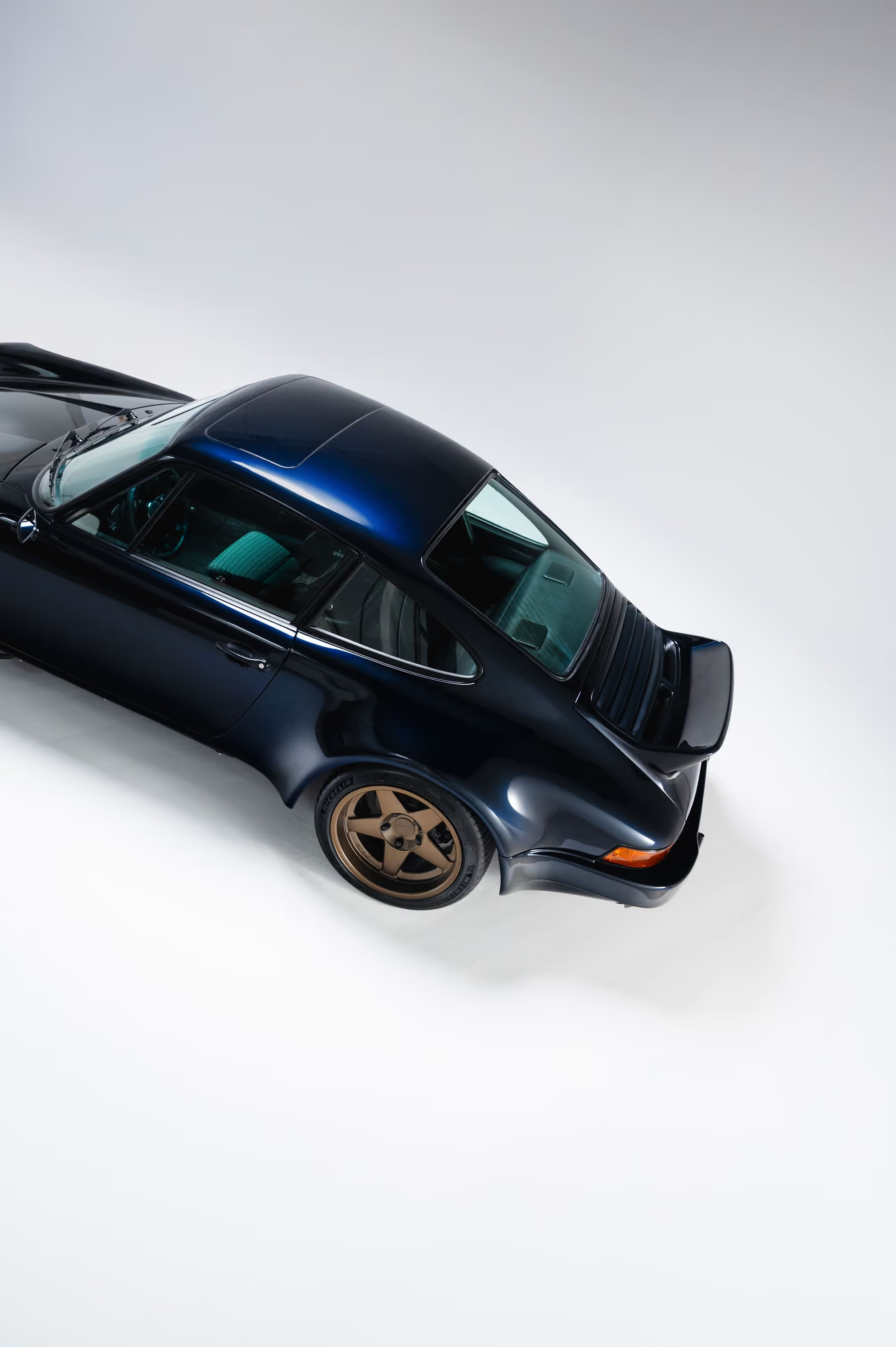
- Metalwork shaped and aligned by hand, not just panels screwed on
- Interior trimmed to the car and the driver, not a catalog set
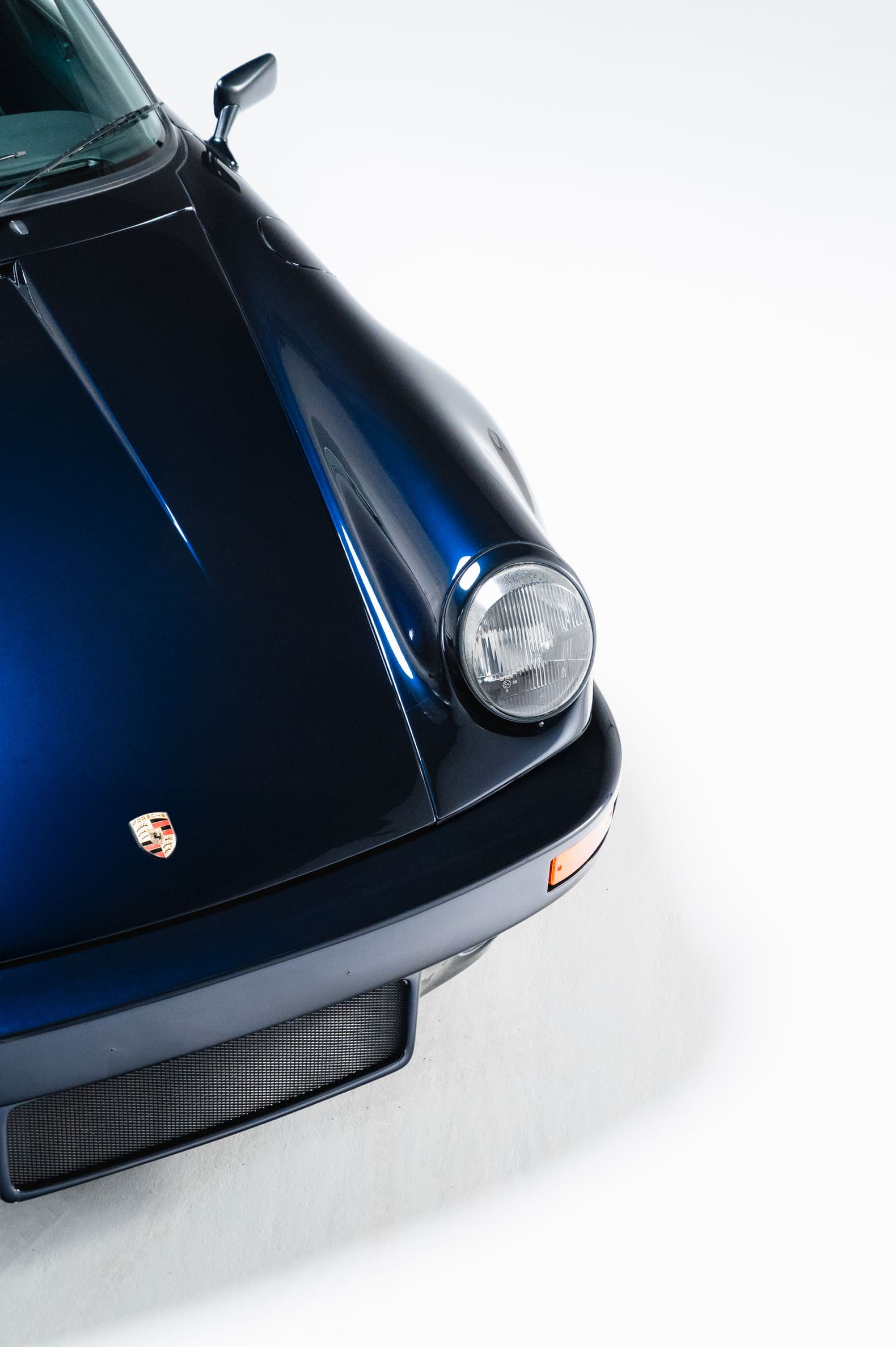
- Paintwork prepared and finished panel by panel
- Engine and gearbox opened, measured, and built with care
- Chassis and alignment tuned with road feel in mind
That is very different from a kit-built approach where most parts arrive pre-made and are simply bolted to whatever 911 happens to be in the workshop. Both can look fresh on social media. Only one will still feel coherent, safe, and enjoyable on a fast mountain pass or in summer traffic after many years.
There are well-known benchmark names in the Porsche restomod world, and they have set a high bar. Each workshop, however, follows its own philosophy. Some go for a showpiece, some for loud design, some for extreme performance. The important point is not that one style is better than the other, but that you choose a house whose idea of handcraft, and level of in-house control, matches what you want from your air-cooled 911.
How to Spot Authentic Handcraft in a Restomod 911
You can see, touch, and feel real craftsmanship if you know where to look.
On the body and metalwork side, focus on:
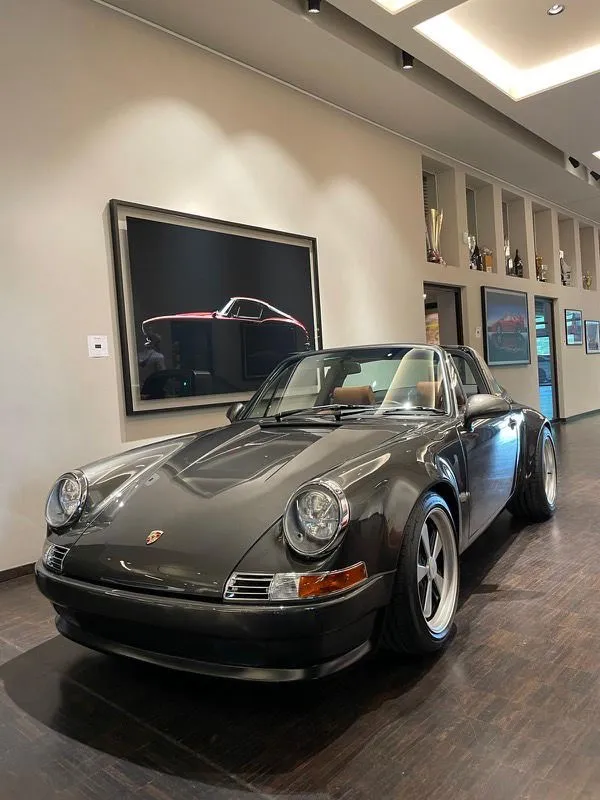
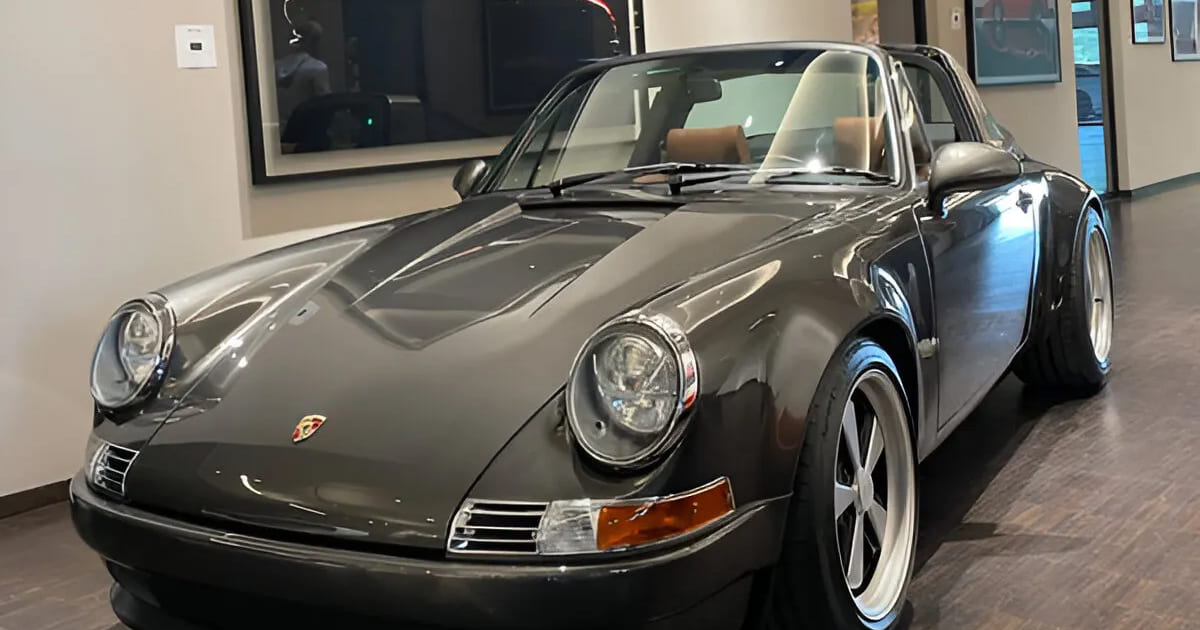
- Panel gaps that are even from front to back
- Symmetry between left and right, especially on arches and bumpers
- Doors and lids that close with a solid, calm sound
- Subtle changes in proportion that still feel like a classic 911
Hand-formed metal, done well, looks calm and natural. Shortcuts often hide behind heavy filler, wavy reflections, or shut lines that change width along the edge. Rust work that is done properly is almost invisible from the outside but fully documented underneath the skin.
Paint is another strong clue. A deeply prepared surface has a clear, even reflection. Under bright summer sun or showroom LEDs, you should not see patches of heavy orange peel or sanding marks. High-end paint tends to feel like glass to the fingertips at the edges of panels, and color should stay consistent across the whole car, including inner areas that many people ignore.
Inside the car, the real story sits in the details you touch every day:
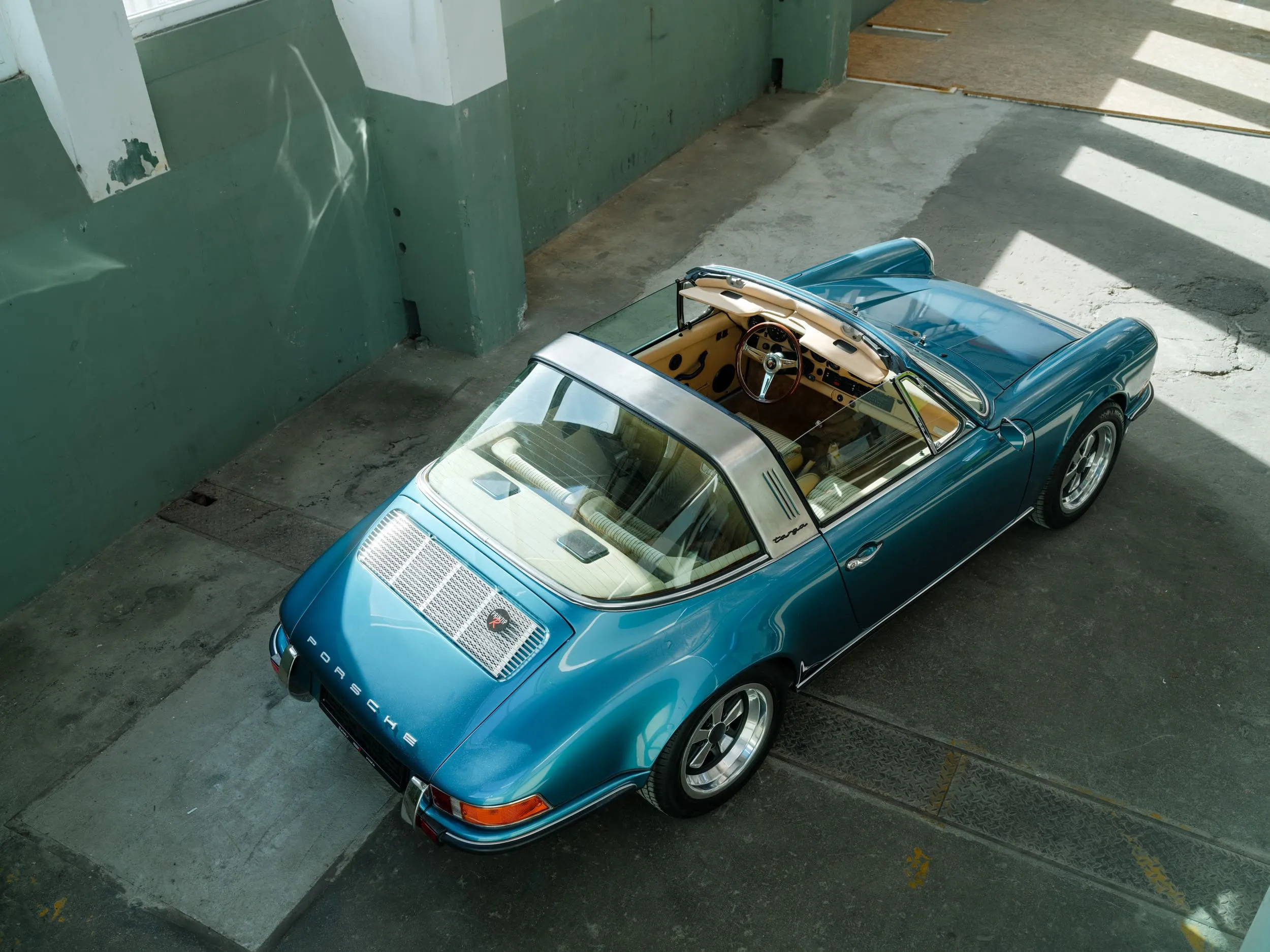
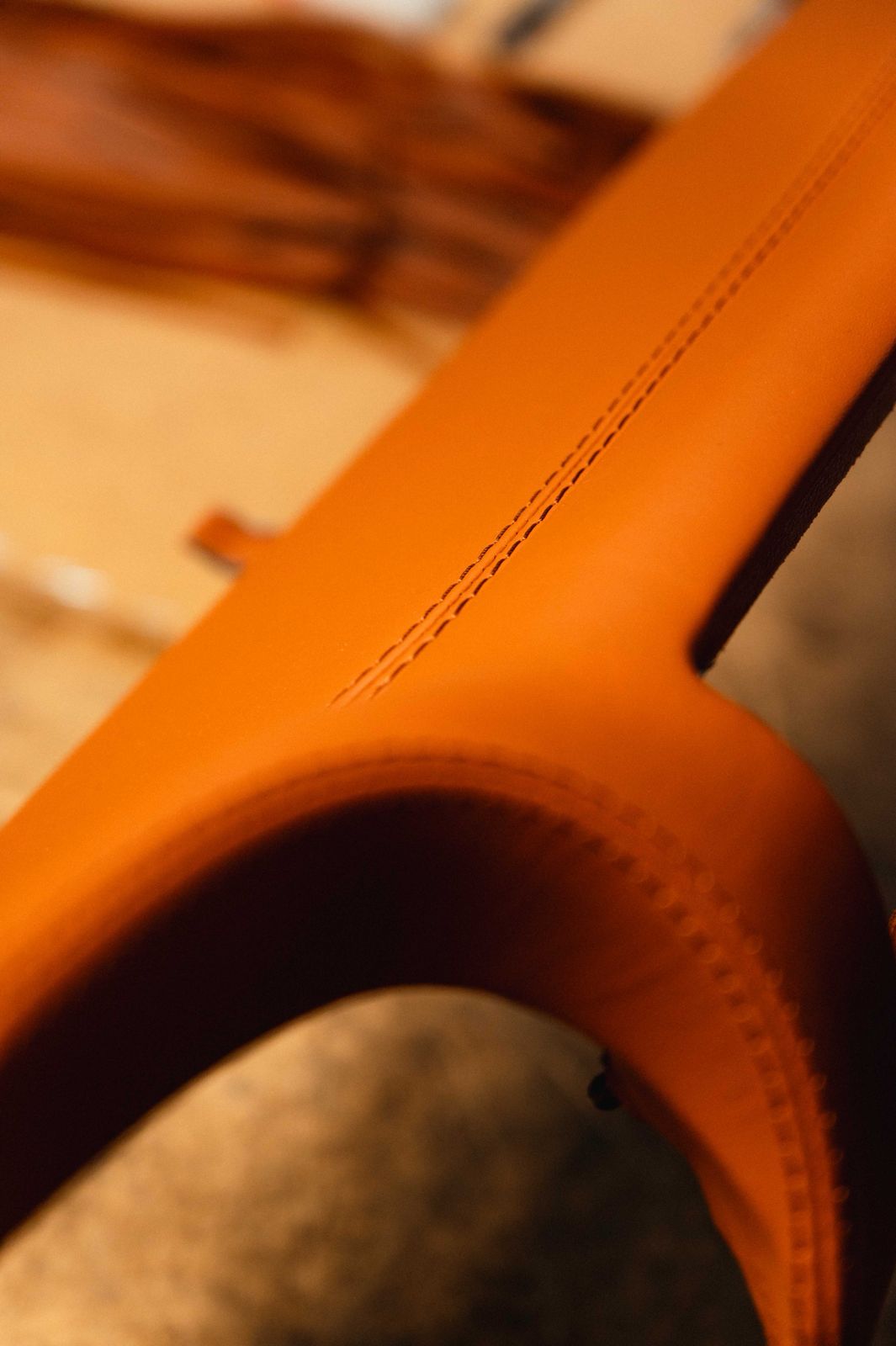
- Stitching lines that run straight and parallel, even on complex curves
- Leather that is tight but not over-stretched, with clean corners
- Controls placed where your hands naturally fall
- Modern items, like AC controls or audio, blended into the 911 design language
A truly handcrafted cockpit feels like it belongs to the car from birth, not like separate pieces added at different times.
Where Craft and Precision Meet Under the Skin
The real test of a reimagined air-cooled 911 happens once you start driving. On a smooth evening drive or an empty alpine road, the chassis should feel precise but calm. Steering should build weight naturally, the body should move in a controlled way, and you should sense a smooth step from relaxed touring to real engagement as you press on.
Here, good handcraft shows in things like:
- Proper geometry and corner weighting
- Carefully matched springs and dampers
- Bushings and mounts chosen for feel, not just stiffness
The powertrain is another area where deep work is obvious. A well-built air-cooled engine should start cleanly from cold, settle into an even idle, and stay predictable when the weather gets hot. Power should build in a smooth, linear way that makes you want to use the full rev range, not rush back to half throttle. A refined gearbox will have crisp but not harsh shifts, with ratios that suit the kind of driving you enjoy.
Electrical work and usability upgrades are often overlooked, yet they shape daily life with the car. Good wiring looks tidy, labeled, and clearly planned. Upgraded lighting, AC, and audio should behave as if the car had left Zuffenhausen that way, without flicker, noise, or strange behavior after a long day on the road.
The Prinzip R View of Quiet, Germanic Craftsmanship
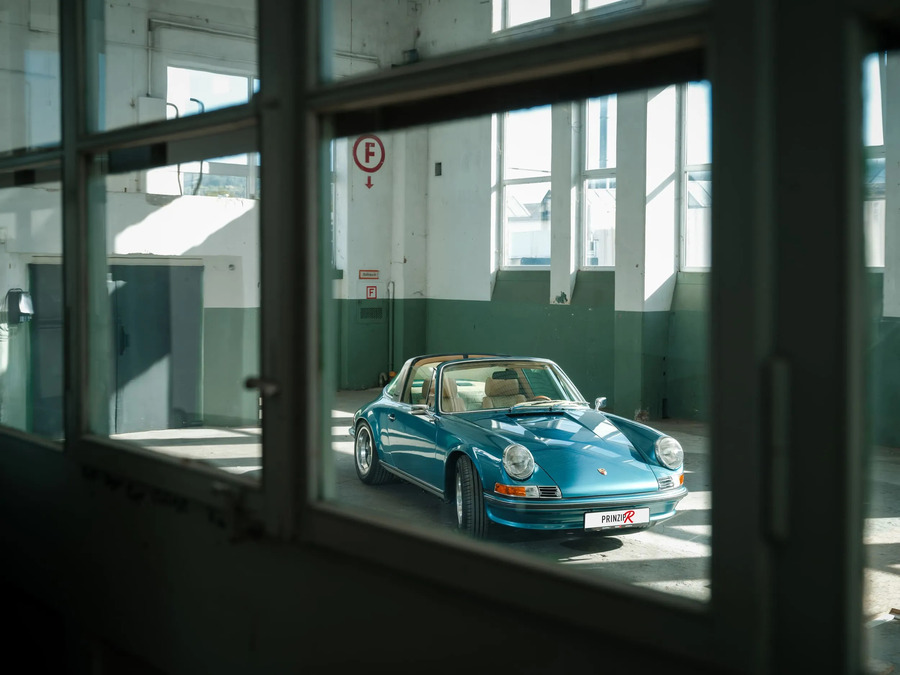
At PRINZIP R in Germany, our own approach is based on improvement, not reinvention. We work only on client-owned air-cooled 911 donor cars. We are not building a new model or trying to compete with current Porsche offerings. Our goal is to reimagine what your specific car can be within an OEM-plus philosophy, respectful of the original brand.
That also means strong in-house oversight. We follow German workshop habits: structured processes, clear documentation, and full traceability of what has been done on each car. Specialists may be involved, but always under close control and with standards that are aligned. The result is not an anonymous project, but a car whose story is written line by line.
We also keep everyday use at the center of our thinking. A PRINZIP R 911 should be able to handle a long cross-border tour, a warm evening in traffic, a quick blast over your favorite road, and an occasional track session without feeling nervous or tiring. Reliability, serviceability, and comfort sit beside character and performance, not underneath them.
Planning Your Own Handcrafted 911
Before trusting any workshop with your 911, it helps to know what to ask for. Request build books, photo sets of the metalwork, and clear records of engine and chassis work. Study before and after alignment sheets. These are not just nice extras. They prove that true handcrafted work has actually taken place.
When you visit a workshop, look for:
- A clean, orderly space, even when work is in progress
- Labeled parts and clear storage rather than random piles
- Jigs, measurement tools, and templates around the cars
- Craftspeople who can explain what they are doing and why
Just as important, be honest with yourself about what you really want from your air-cooled 911. Are you dreaming of a showpiece, a GT-style long-distance car, or a balanced all-rounder? Once that is clear, it is much easier to see whether a workshop, including PRINZIP R, can demonstrate the right experience and philosophy for you. On that base, you can move from simply admiring the idea of a handcrafted Porsche to planning a calm, well-structured path toward the car that fits your life.
Get Started With Your Project Today
If you are ready to shape a vision that is uniquely yours, we are here at PRINZIP R to guide every step. Tell us how you drive, how you live, and what you want your handcrafted Porsche to express, and we will translate that into a precise, build-ready plan. Share a few details, and we will follow up with clear options, realistic timelines, and straight answers to your questions. If you prefer to talk it through first, you can also contact us to start the conversation.
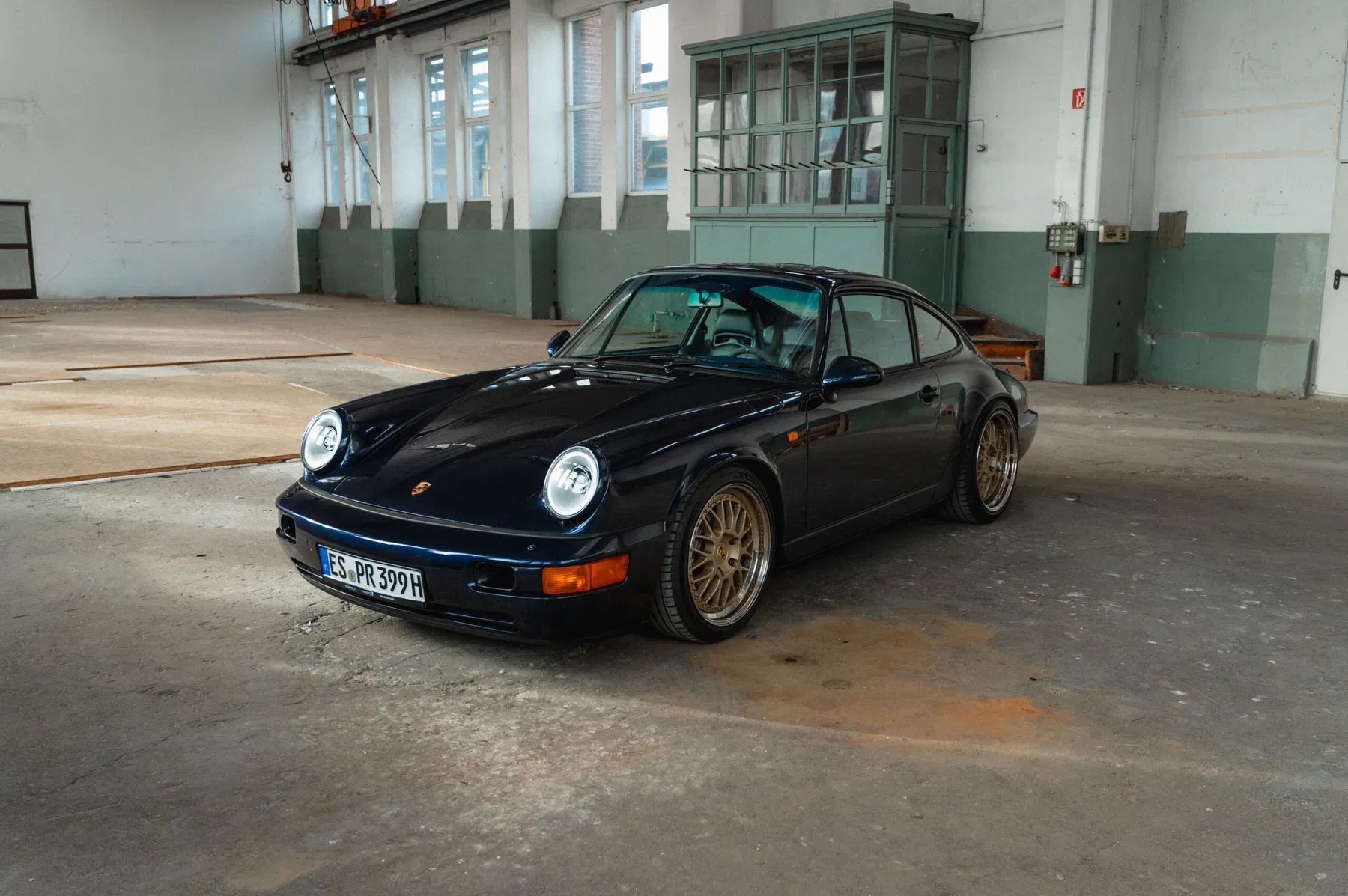
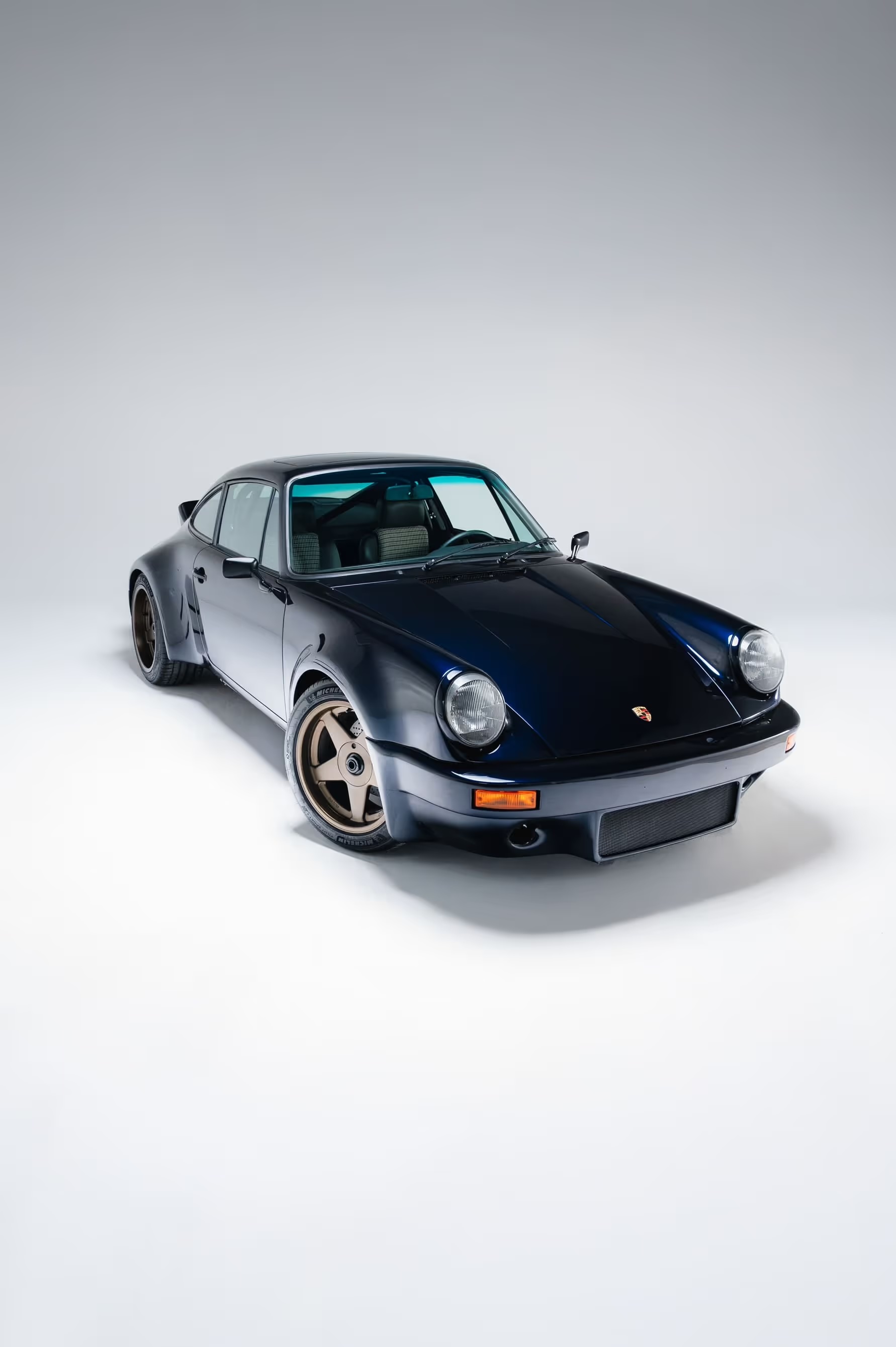
Unsere in Handarbeit optimierten Projekte - Maßgeschneidert auf persönliche Präferenzen
%20(1)%20(1).avif)
.avif)










.jpeg)
.avif)