
Narrow-Body vs. Wide-Body Backdate: Geometry, Stance, Tires, Serviceability

April 7, 2026
How to Choose Your Ideal 911 Backdate Stance
Choosing between a narrow-body and a wide-body 911 backdate is not just about how the car looks in photos. It affects how it drives, how it feels on your favorite road, and how easy it will be to live with many years from now. If you already own an air-cooled 911 donor, or you are searching for one, this decision sits right at the start of your project.
At PRINZIP R, we work on customers’ donor cars to create backdate, OEM+ and restomod builds that keep the soul of the air-cooled 911. The body style is one of the first big choices we guide clients through. It shapes suspension geometry, wheel and tire options, stance, and long-term serviceability. Getting it right means your car looks right, drives right, and can be cared for properly long into the future.
What Changes When You Go From Narrow to Wide
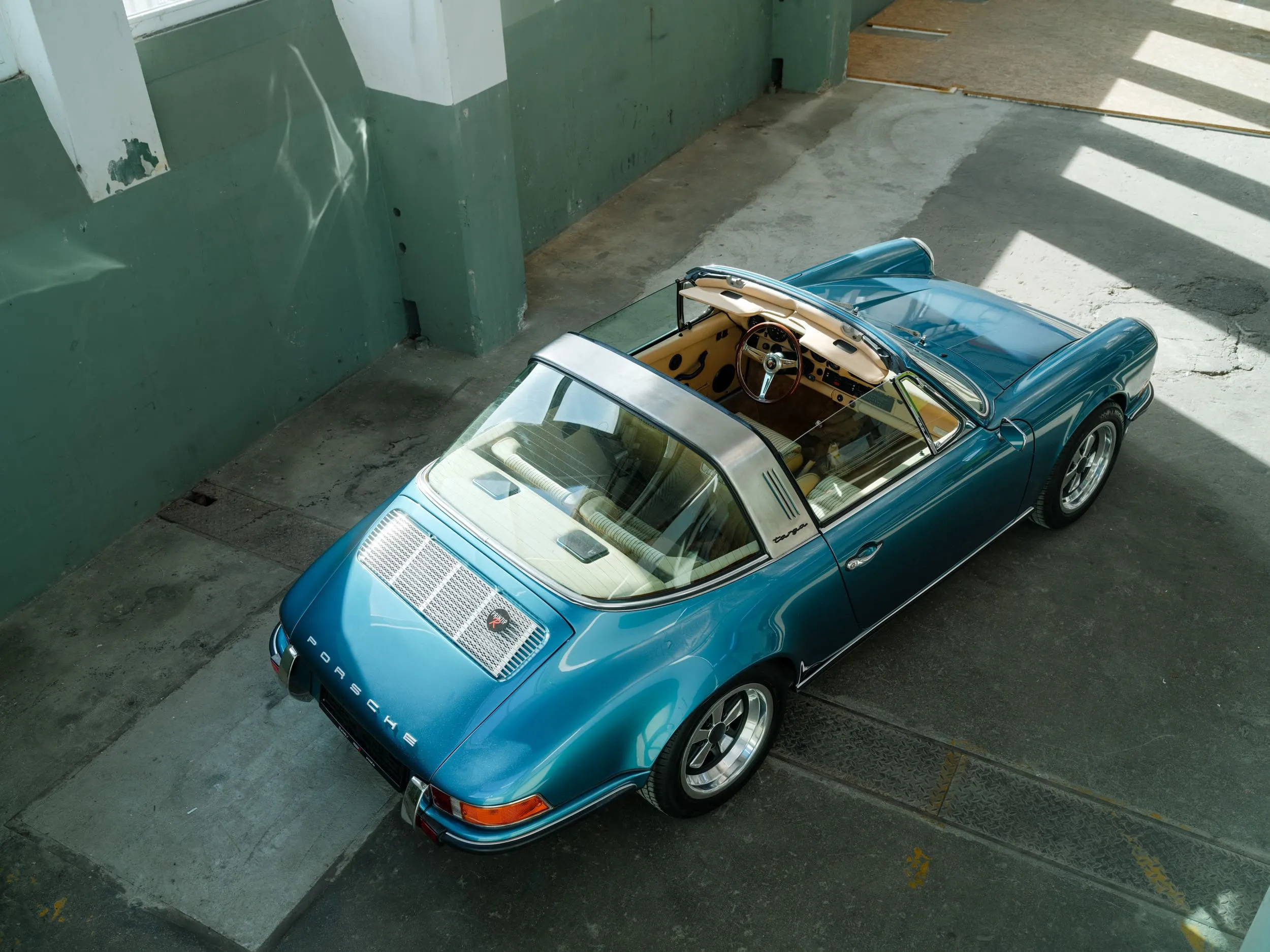
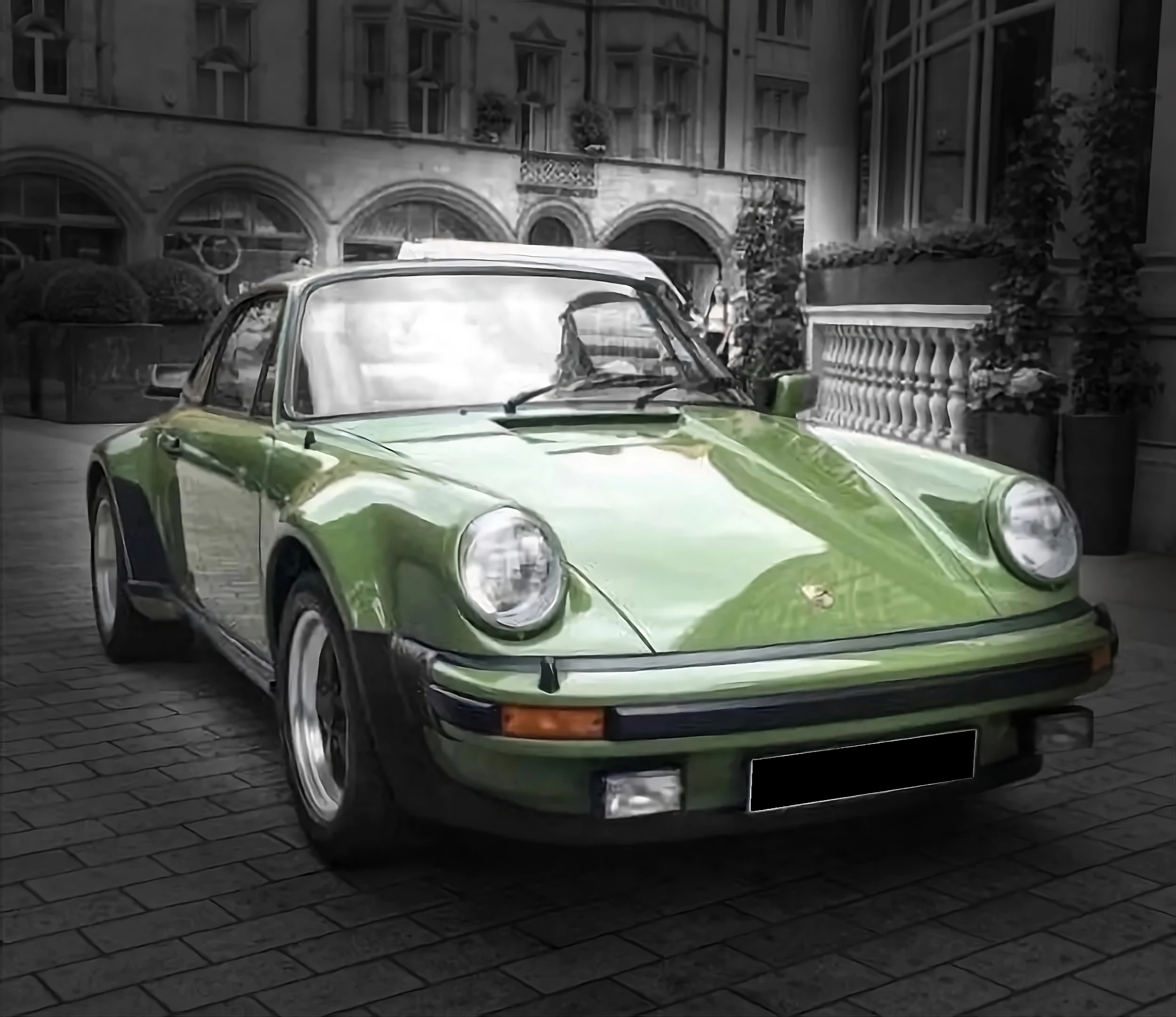
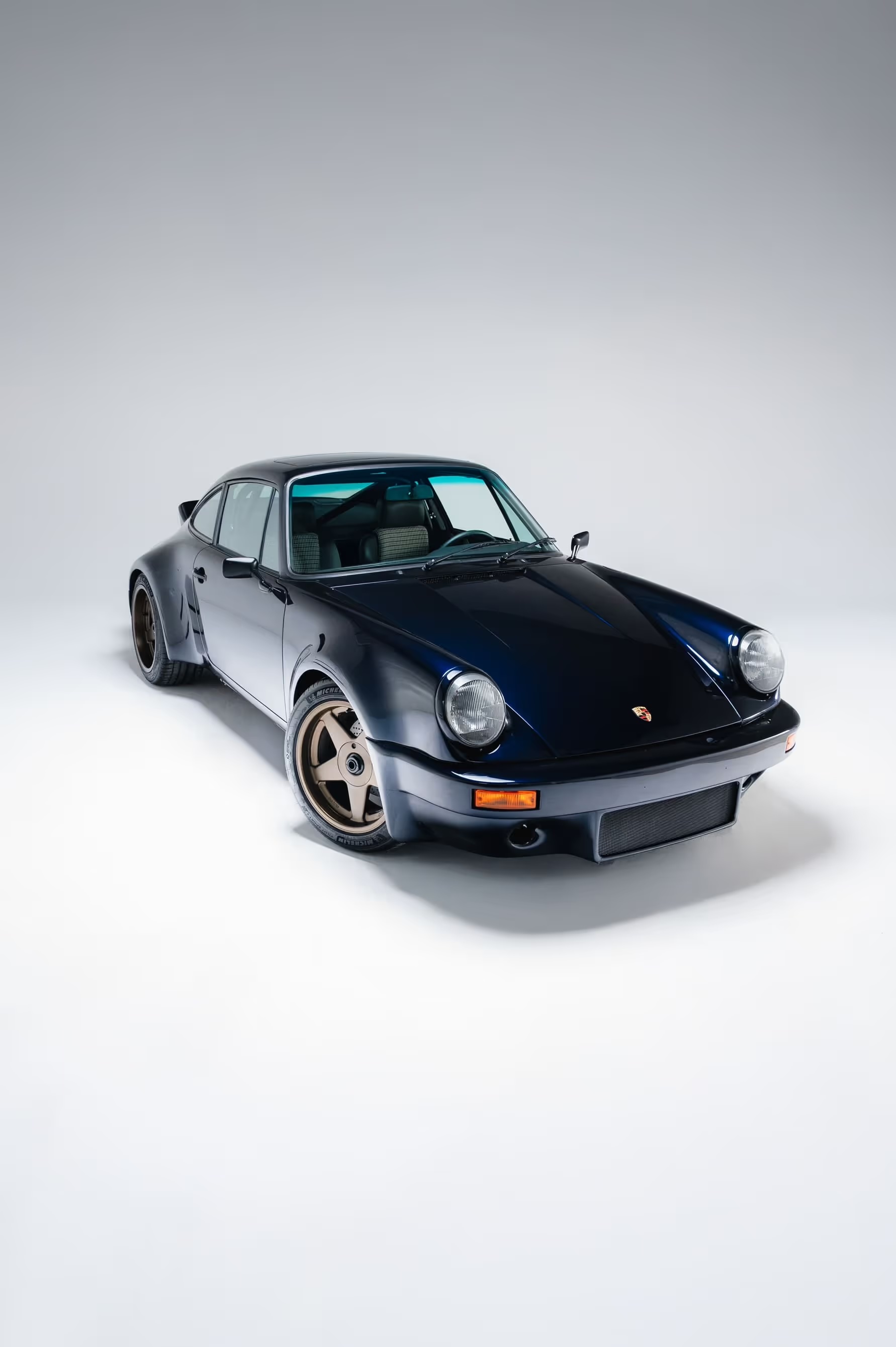
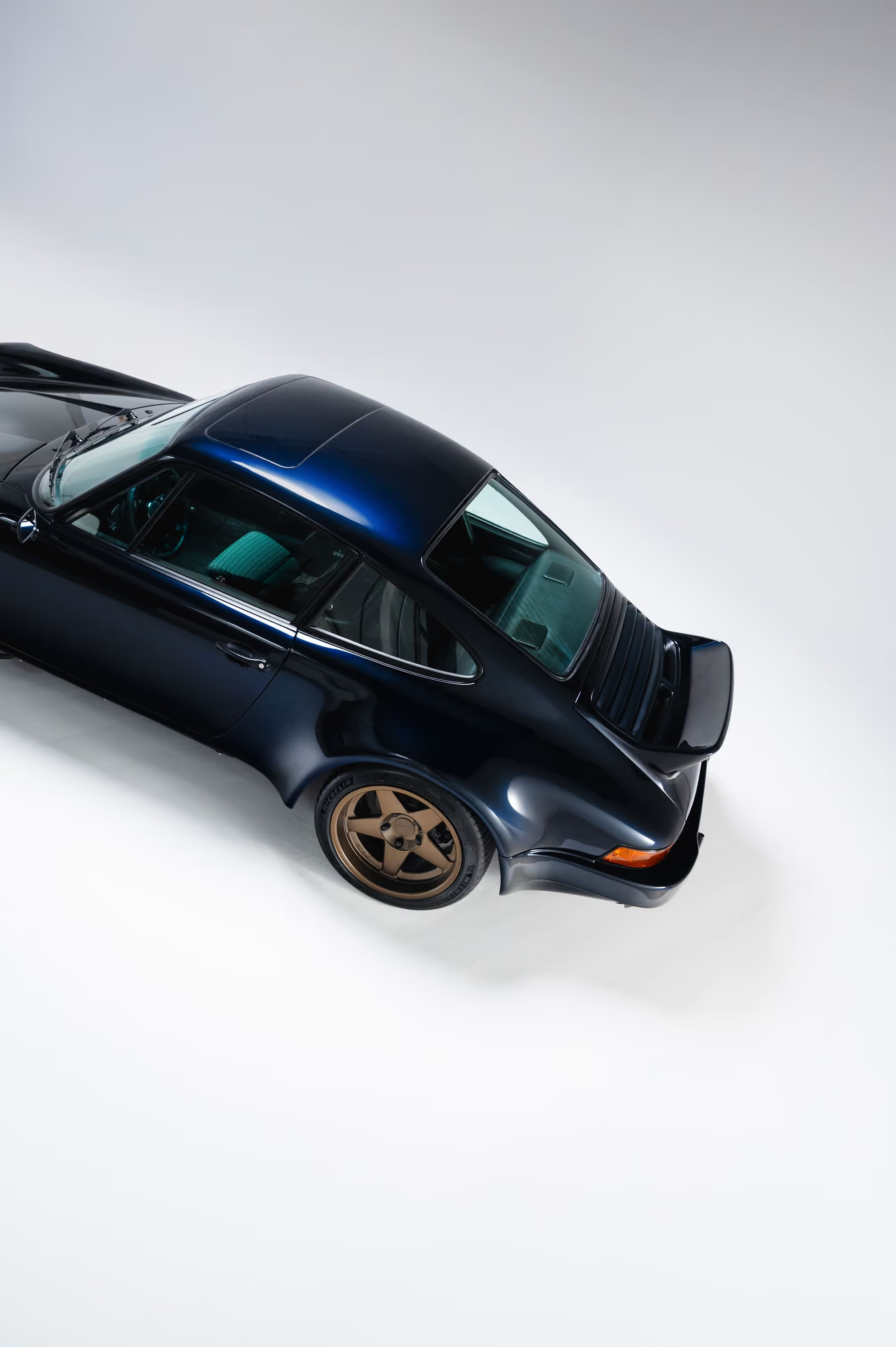
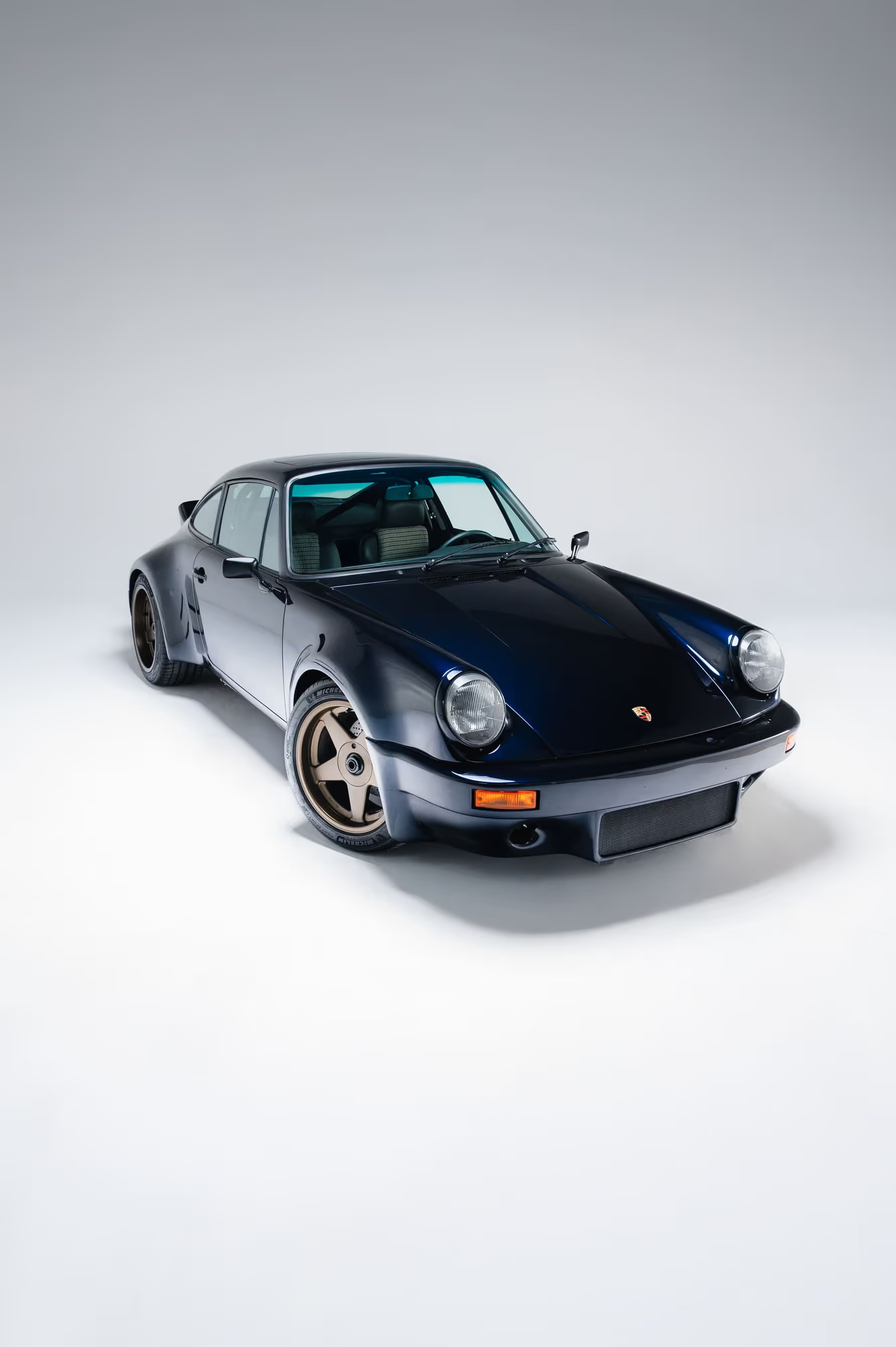
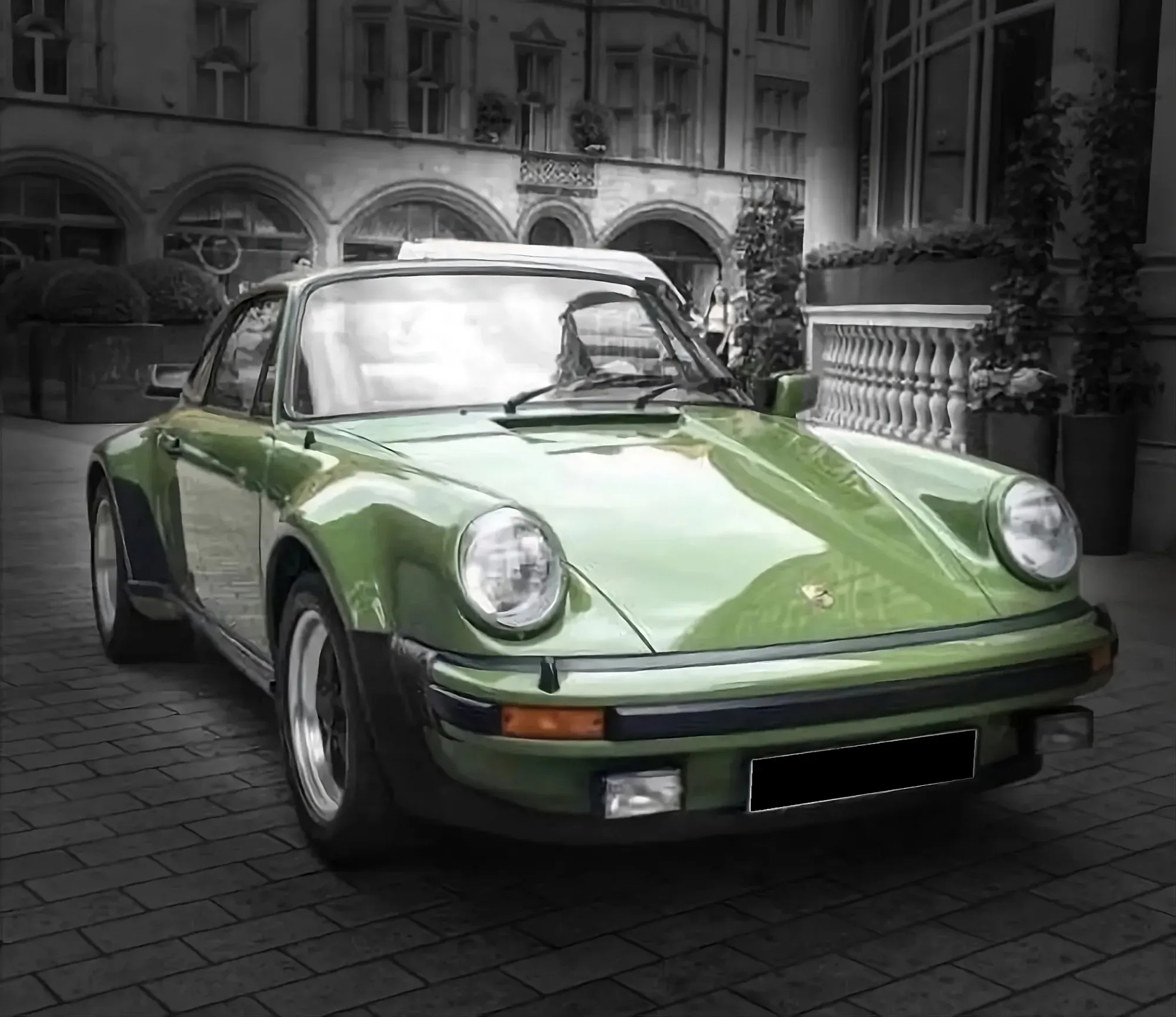
In classic 911 language, narrow-body usually refers to the early, slimmer shells with that clean F-model style. The rear arches are modest, the car looks light and almost delicate. Wide-body means larger rear flares and sometimes wider fronts, similar to later Carrera or RS-style shapes that give the car more muscle and presence.
Once you move from narrow to wide, a few technical pieces move with it:
- Track width grows, especially at the rear
- Wheel offset and width change to fill the new arches
- Bodywork and inner structure must work together cleanly
On a proper backdate, the flares and panels are not just stuck on. They need to be shaped, aligned and bonded or welded in a way that respects the original shell. Clearances for suspension travel, steering lock and tire deflection matter. We want the car to look like Porsche could have built it that way, not like it is wearing a costume.
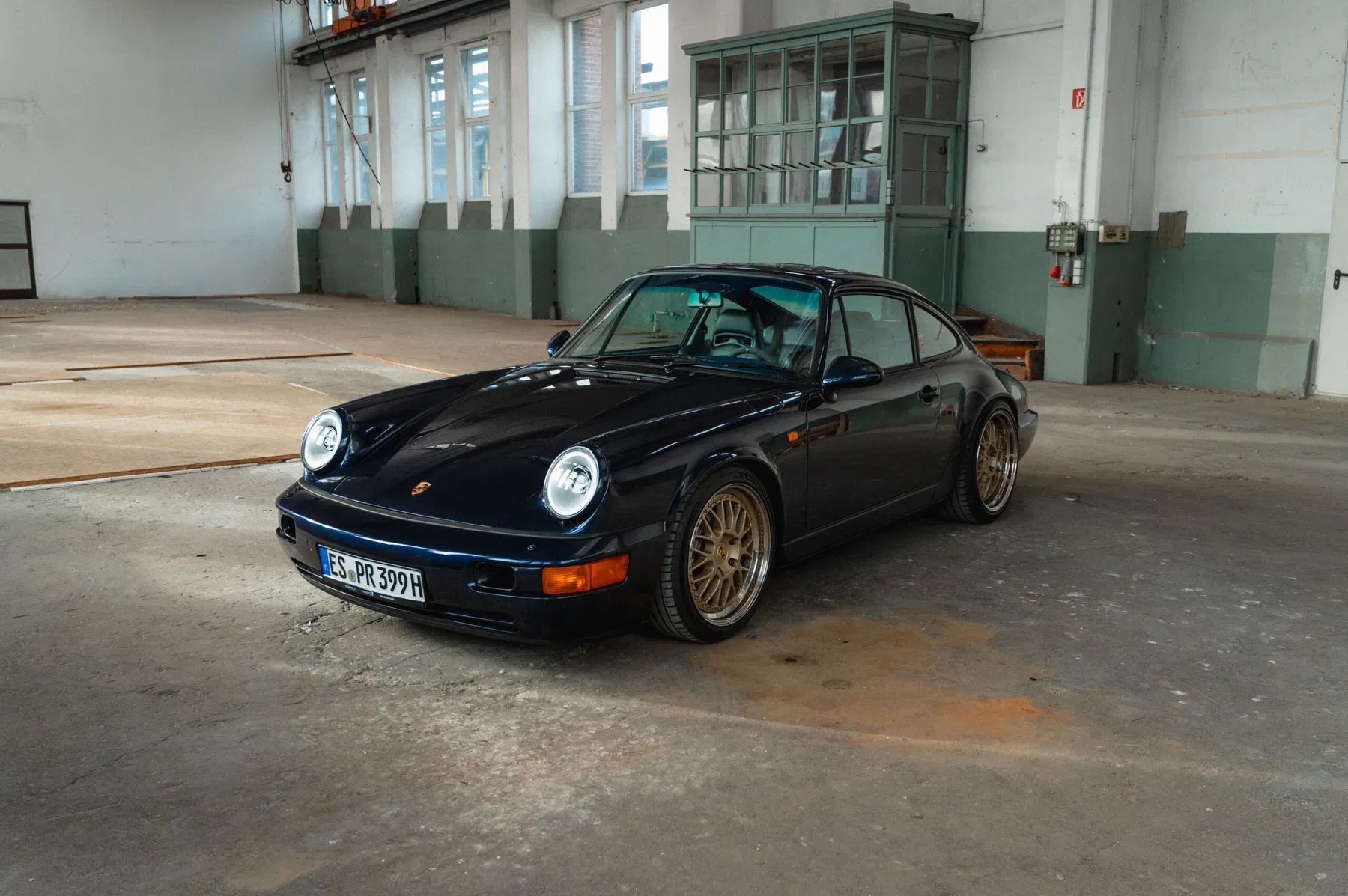
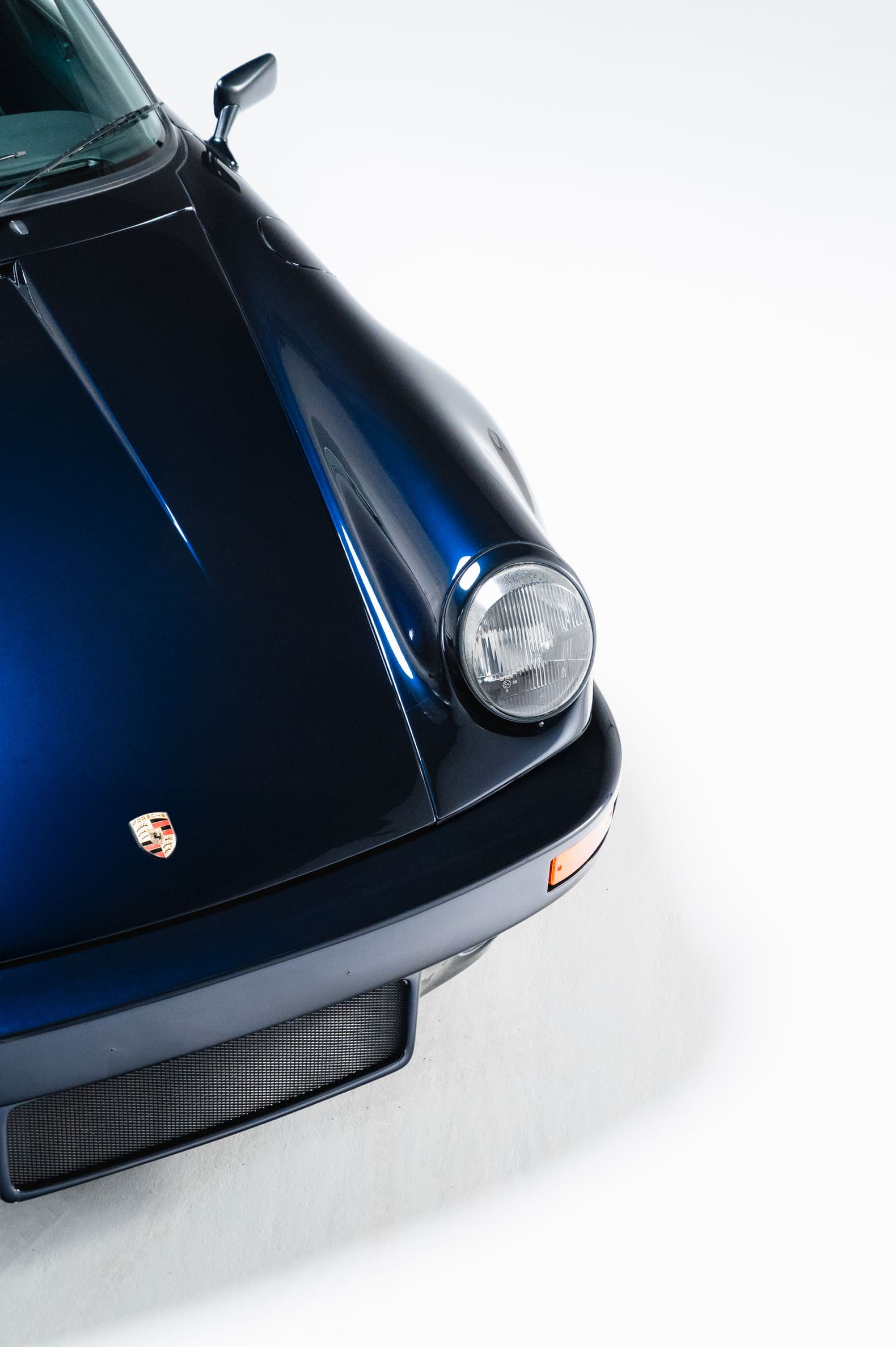
Visually, a wide-body car has more drama. The hips catch the light differently, the car reads lower and more planted even at rest. A narrow-body keeps a slender, almost understated line, which many purists love. Matching that visual language to the rest of the build, including bumpers, wheels, mirrors and interior mood, is part of a cohesive backdate design.
Geometry, Handling, and Real-World Road Manners
When you push the track width out and fit wider wheels, you are not just adding grip. You are also changing how the suspension arms, bushings and steering geometry work together. The classic light-front feel of an air-cooled 911 can shift if the setup is not planned as a whole package.
A narrow-body setup, on appropriate wheels and tires, will usually feel:
- Very agile and eager to change direction
- Light in the steering, with clear feedback
- Easy to place on tight, flowing roads
A wide-body package, correctly engineered, will tend to offer:
- More stability at higher speeds
- Greater lateral grip on quality tires
- A more planted, confident feel through long bends
On real roads, especially in places with changing surfaces or camber, alignment choices become very important. Wider tires can follow ruts and road crowns more, and they can feel nervous if toe and camber are not tuned for mixed use. At PRINZIP R we put a lot of care into alignment and geometry work so the car still feels natural on a cool morning B-road or a warm evening high-speed highway run, not only on a perfect track.
Tires, Brakes, and Performance Headroom
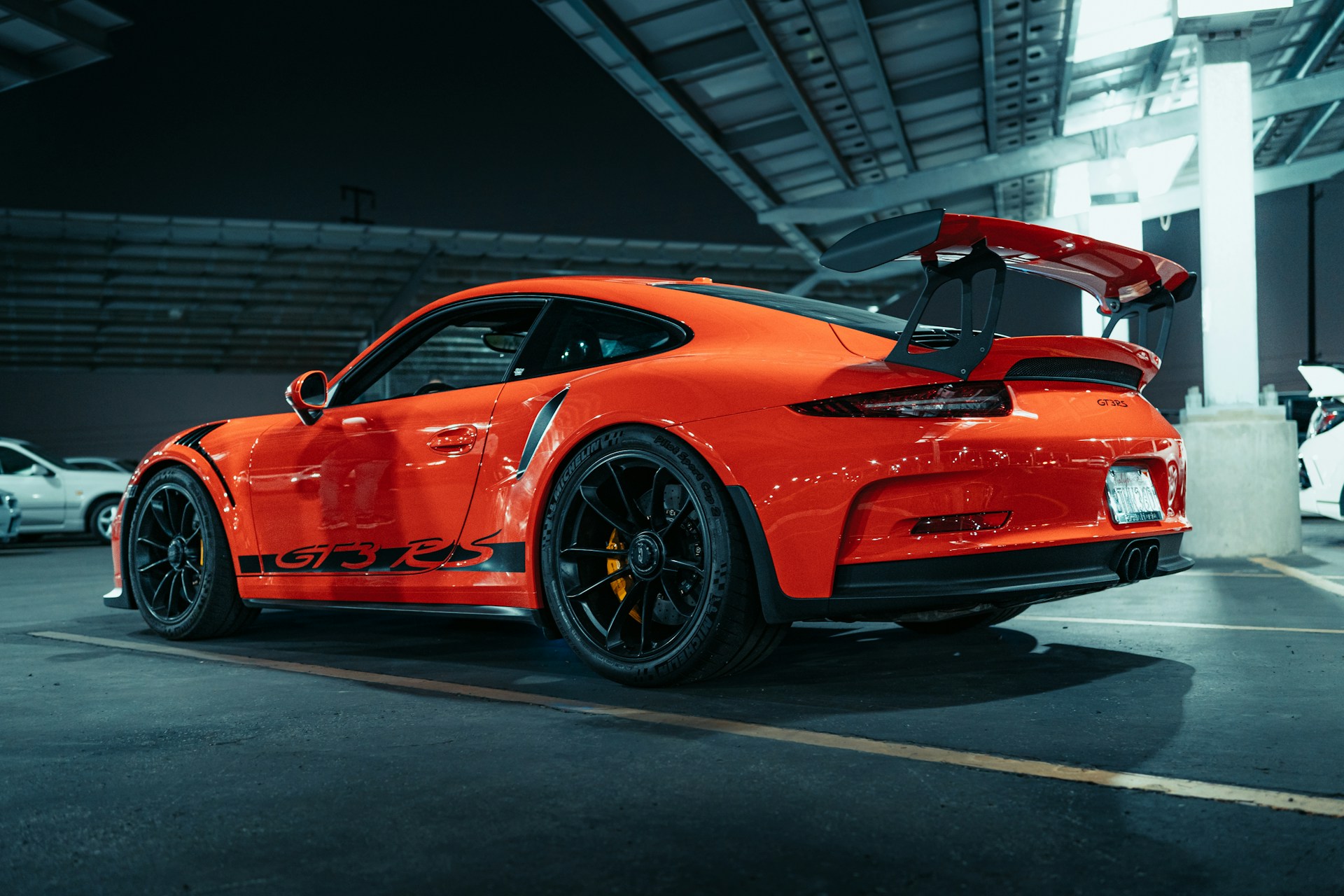
Body width limits and enables your tire choices. A narrow-body backdate might run smaller section widths that match a more classic look and a playful driving feel. A wide-body conversion opens space for wider rubber and sometimes a small step up in wheel diameter, which supports modern tire technology and harder use.
Going wide can also create room for:
- Larger brake packages
- Better brake cooling and heat control
- Stronger engine builds with matching stopping power
The trade-offs are real though. Wider tires and larger wheels bring more unsprung weight, which can soften the delicacy of the ride. Tire cost rises, and some very wide sizes are not as easy to source in a hurry when you are far from home. In heavy rain, a very wide rear setup can be less forgiving than a more modest narrow-body package. The art is to balance period-correct look with performance that fits how you want to drive.
Serviceability, Parts, and Long-Term Ownership
Thinking beyond the first few summers is important, especially for clients with collections spread over different countries. A build that stays close to an OEM narrow-body layout has an advantage when it comes to:
- Sourcing replacement panels
- Finding glass, seals and trim
- Body repairs after small incidents
Many body parts follow well-known factory patterns, so a well-qualified specialist almost anywhere can understand what they see. When we go to a custom wide-body, we have two main paths: OEM-style flares that match known shapes, or more bespoke work tailored to the client’s taste.
With custom work, documentation is key. At PRINZIP R we take care to record what was fitted to the donor shell, how panels were modified, and what reference parts they relate to. That supports future paint matching, panel replacement and structural inspections. The goal is that if the car leaves Germany for many years, any good workshop can read the car easily, instead of facing puzzles.
Matching Body Style to Driving Profile and Lifestyle
To choose between narrow and wide, it helps to be honest about who you are as a driver and where the car fits in your life. Many clients fall into one of a few broad profiles.
The more purist driver often wants:
- A classic feel, light and communicative
- Subtle styling that does not shout for attention
- A car that works beautifully on tight, technical roads
The more grand-touring focused driver may lean toward:
- A bolder stance with strong presence
- Higher stability at speed on highways
- Extra grip for powerful engines and fast cross-country trips
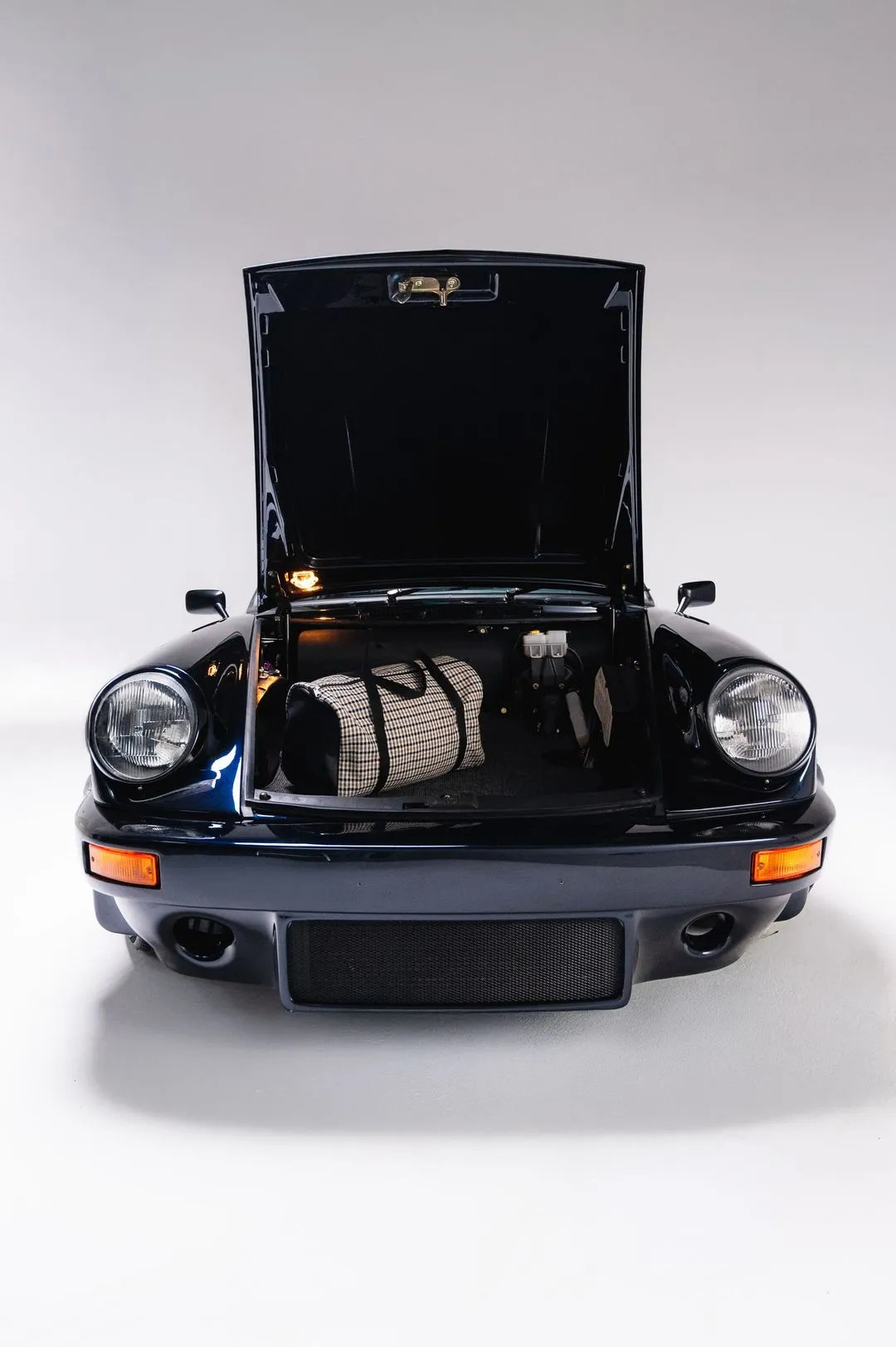
Think about where you will actually drive as spring and summer arrive. For Alpine passes and small village streets, the compact footprint and gentle manners of a narrow-body can be very pleasant. In busy city centers, parking and tight ramps can be simpler with a slimmer car. For long coastal drives or high-speed highway stretches, a well-set-up wide-body can feel calm, secure and special.
It is also worth looking at your wider collection. If you already own modern 911s with wide hips and big wheels, a narrow-body backdate can be a quietly perfect counterpoint. If you want this car to be the star of the garage, a wide-body stance can make it that centerpiece the moment the garage lights come on.
Ready to Decide How Your Donor Should Grow
Moving from theory to a real specification means placing your donor car, your driving style and your taste on the same table. At PRINZIP R we start by understanding the car’s main purpose, then we look at geometry, bodywork options, wheel and tire packages and future service needs as one connected system. The aim is not to chase trends, but to make a clear, intentional choice that fits you and respects the timeless character of the air-cooled 911.
Transform Your 911 Vision Into a Bespoke Backdate Build
If you are ready to turn your classic Porsche dream into a tailored reality, we invite you to explore our dedicated 911 backdate builds. At PRINZIP R, we work closely with you to define the right concept, specification, and details for your car from day one. Share your ideas, driving style, and goals, and we will guide you through every decision with clear options and transparent timelines. To start a conversation about your project, simply contact us and we will follow up with next steps.
Unsere in Handarbeit optimierten Projekte - Maßgeschneidert auf persönliche Präferenzen
%20(1)%20(1).avif)
.avif)









.jpeg)
.avif)