

Restoration vs. Restomod: A Decision Framework for Air-Cooled 911 Owners
April 17, 2026
The Restoration-to-Restomod Tipping Point
Deciding what to do with your air-cooled 911 is not just a parts question. It is a question about how you want to feel every time you turn the key. At some stage you stand between a faithful restoration and a more personal 911 restomod, and the choice will shape how often you drive the car, how you enjoy it, and how it is seen by the next owner.
In this guide, we walk through a simple decision framework: intent, budget, originality, use, reversibility, and resale. Our goal is to help you see where a pure restoration makes sense, where an OEM plus approach is smart, and where a full restomod becomes the most honest answer for your car and your life.
A pure restoration means returning the car to period-correct specification. OEM plus means subtle, factory-sympathetic upgrades that feel like Porsche could have fitted them at the time. A restomod goes further, creating a reimagined driving experience while still grounded in the original 911. As a German builder focused on air-cooled cars, we are not in competition with new Porsche vehicles; our work is dedicated to elevating customer-owned classic 911s with careful, German craftsmanship.
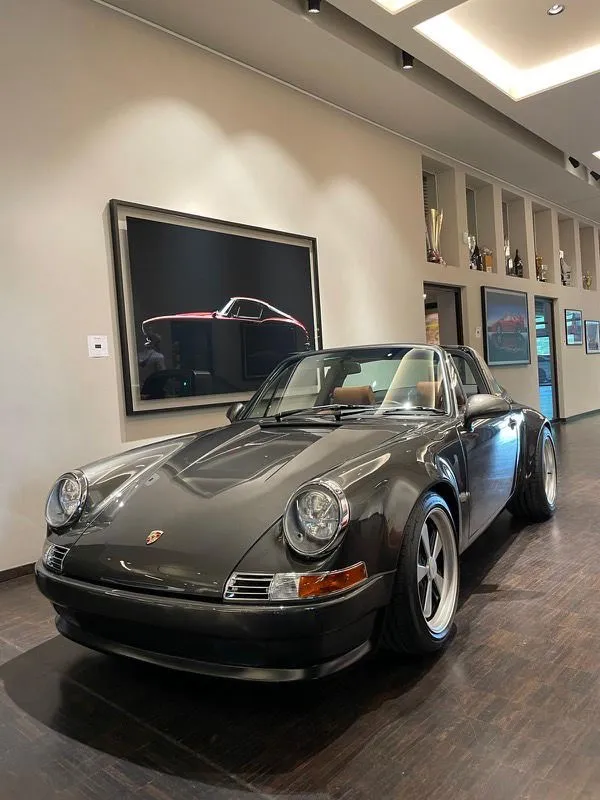
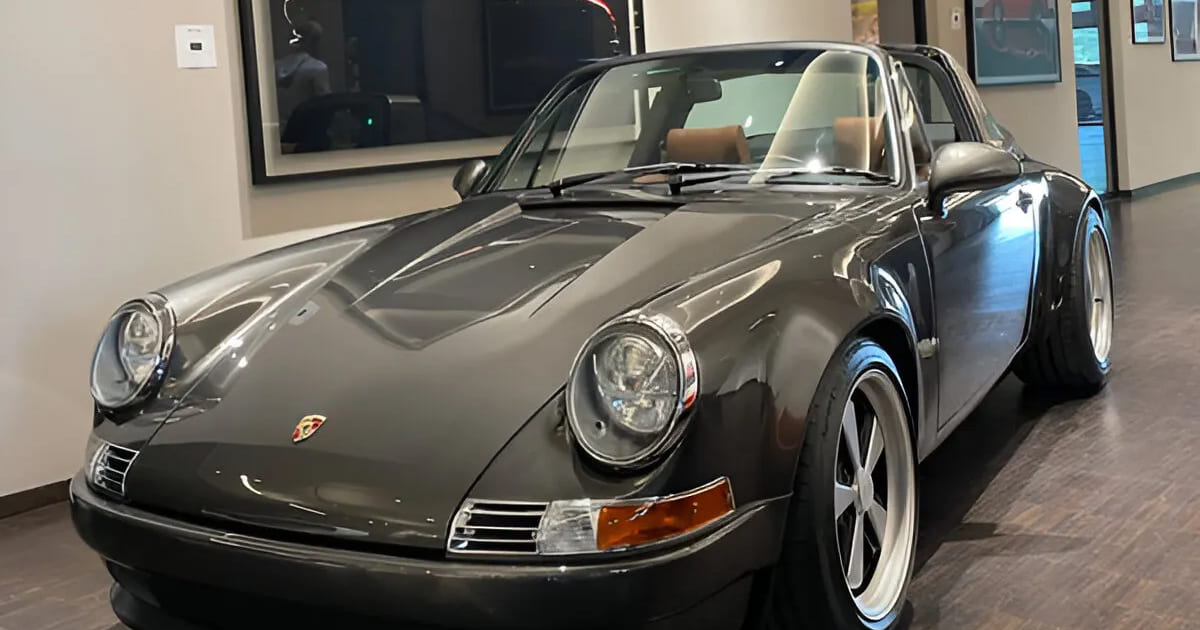
We hold PORSCHE and the 911 in the highest regard. Our role is to act as meticulous custodians of client cars, not as an alternative to a new 911. In the same way that respected specialists such as Singer Vehicle Design have shown what is possible with reimagined 911s, we focus on our own approach: discreetly enhancing and refining existing, client-owned cars.
Clarifying Your Intent: Why This 911, Why Now
Before talking parts, it helps to ask a few simple questions: why this 911, and why now? For many owners, the car is a long-held dream, or a car that has been in the family for years. Others have found a good donor that deserves a second life as a more involving, more usable classic.
Consider the role you would like the car to play:
- Daily usable classic that can handle cold starts and traffic
- Long-distance GT that you take across countries
- Focused weekend car for mountain passes or fast B-roads
- Collectible piece you want to keep ready for the next generation
Your intent may have one foot in emotion and one in logic. You may feel a pull toward a certain era of Porsche, want the sophisticated feeling of a renowned, reimagined 911 without directly copying any particular builder, or simply want the car to tell your own story. When this is clear, the build path is much easier to lock in and you avoid changing plans halfway through a project.
Our first conversations with owners usually stay away from horsepower and wheel sizes. We ask about lifestyle, where the car lives, how many long drives fit into a year, and which roads you enjoy most. This is especially important when you want the car back in time for spring and summer driving, since that timing can guide both scope and specification.
The Budget Reality: Where Your Money Works Hardest
Any serious 911 project has a structure to where time and investment go: bodywork and corrosion, driveline, interior, suspension, and brakes. The difference between paths is how deeply you go into each area and how far you move away from original specification.
In simple terms, you can think in three lanes:
- Faithful restoration, focused on period-correct parts and finishes
- OEM plus restoration, with discreet upgrades in key systems
- High-end restomod, with a more complete rethink of chassis, engine, and cabin
The most expensive option over time is often the half-measure build that starts as a restoration, then drifts into 911 restomod territory after paint or engine work is done. Making a clear decision early protects quality and keeps the work coherent from the first stripped bolt to the last test drive.
There is also a point of diminishing returns in hunting ultra-rare original parts. In some cases, a modern component gives better performance, reliability, and feel, with less strain than locating period items that nobody can see. Grand touring builds might put more budget into torque-rich, flexible engines, sound insulation, and seating comfort. More focused cars usually push harder on brakes, geometry, and safety details. At PRINZIP R we prefer to define a core specification, then note optional steps that can be phased in, rather than building a catalog car that does not match real use.
Originality, Heritage, and the Ethics of Altering Icons
Not every 911 should be a restomod. Originality matters, but it means different things for different cars. Some cars are matching-numbers, rare variants, or have clear, documented stories. Others are good drivers without special history, or they have already been altered.
A pure restoration is almost always the right path when you have:
- Low-mileage survivors in very honest condition
- Desirable limited editions or rare factory specifications
- Cars with strong provenance that would lose value if heavily changed
On the other hand, there are many cases where a respectful restomod is very suitable. Incomplete cars, cars that lived a hard life, or shells with no real historical claim can often be reborn in a way that gives them a more useful and loved future.
Aesthetics play a significant role. We prefer to honor F and G model design language, keep a clear PORSCHE-like visual logic, and avoid trends that will feel tired in a few years. In our view, we are caretakers of the 911 story. We work exclusively on client-owned cars in a way that feels like a natural evolution rather than a radical break with the original idea.
Use, Drivability, and Reversibility as Design Filters
How you plan to use the car filters every decision. A daily-driven 911 needs clean cold starts, stable idle in traffic, good weather sealing, and air conditioning that does not feel like an afterthought. A long-distance tourer needs cooling that can cope with extended Autobahn runs, comfortable seats, smart luggage space, and low fatigue at speed. A weekend car for spirited drives wants clear feedback, predictable balance, firm but not harsh suspension, and brakes that give confidence on long descents.
Reversibility is a key axis here. Some upgrades are bolt-on and kind to originality. Others are more invasive. Thoughtful builds will often:
- Preserve original core parts like engine cases and steering wheels
- Use bolt-on suspension and brake upgrades where suitable
- Integrate modern AC or audio in a hidden, period-correct way
- Document every change so a future owner can return to stock if desired
Many of the most satisfying upgrades are ones you almost cannot see. Correctly tuned suspension for broken European roads, brake systems that feel natural at the pedal, and engines built for strong mid-range torque rather than headline numbers can change the whole personality of the car without shouting about it. Planning the work so the car returns before the main driving season, with a specification suited to your usual routes, makes the whole project feel that much more rewarding.
Resale, Legacy, and Building for the Next Custodian
Even if you never plan to sell, it helps to think like the next custodian. A well-executed restoration or a coherent, high-quality restomod can both age gracefully when the choices feel timeless and well documented.
There is a line between personal taste and broadly appealing specification. Very bold colors, extreme interiors, or highly fashion-led wheel choices can narrow the future audience for the car. On the other side, classic exterior colors, thoughtful material choices inside, and mechanical changes that clearly improve drivability tend to be welcomed by future enthusiasts and by family members who may one day inherit the car.
A full build book, clear records of parts used, and honest photos of the process all help long-term value. The wider market has already accepted the idea that a carefully reimagined 911, such as those created by specialists like Singer, can sit alongside original cars without challenging PORSCHE itself. Our own goal at PRINZIP R in Germany is to apply precise, German craftsmanship to client-owned 911s, creating cars that feel closely tailored to the first owner, yet make perfect sense to another knowledgeable driver who discovers the car many years later.
Get Started With Your Project Today
If you are ready to explore what a truly focused 911 restomod can be, we are here to guide you through every decision. At PRINZIP R, we work closely with you to define your goals, preferred driving experience, and design language before a single bolt is turned. Share your ideas and questions with us, and we will outline the best path from concept to finished car. To start a conversation about your build, simply contact us.
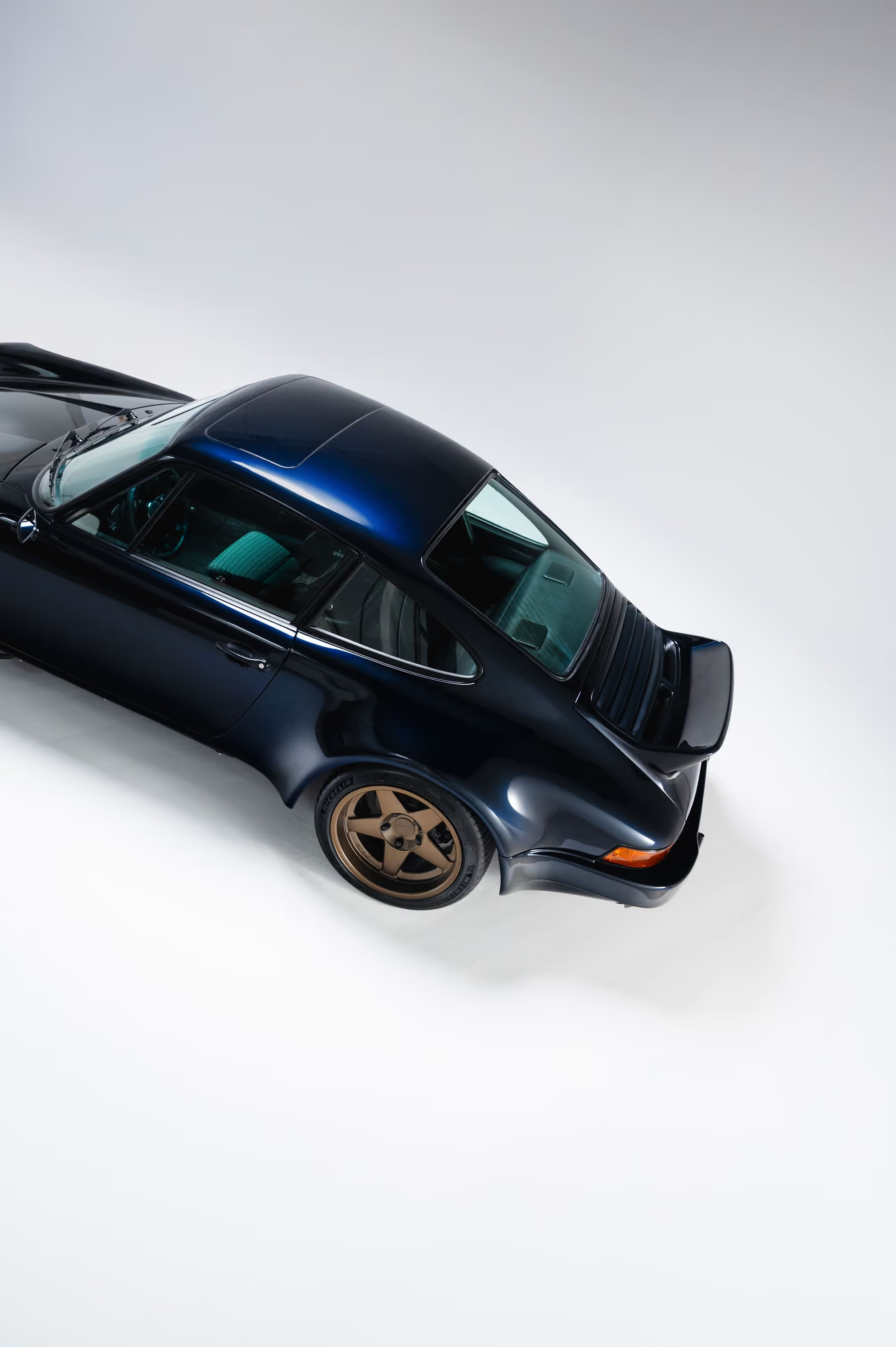
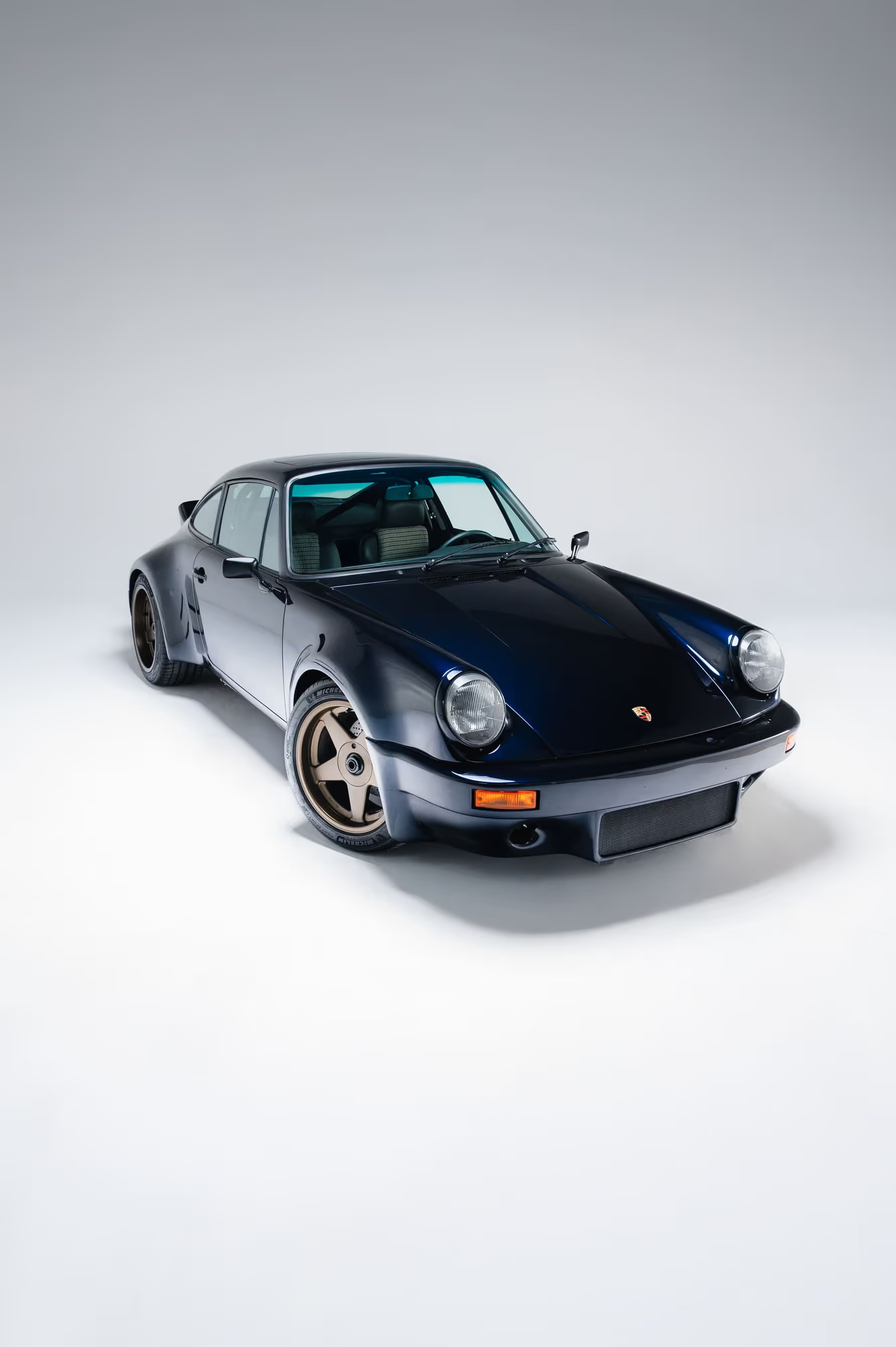
Unsere in Handarbeit optimierten Projekte - Maßgeschneidert auf persönliche Präferenzen
%20(1)%20(1).avif)
.avif)








.jpeg)
.avif)