

Selecting the Ideal Air-Cooled 911 Base by Country/registration Constraints
.jpg)
August 14, 2026
Choosing the Right Base: The Foundation of Every Air-Cooled Vision
The choice of the right donor vehicle determines early on how relaxed, or how demanding, your air-cooled 911 dream will become. Long before wheels, seats, or engine output are discussed, the year of manufacture, origin, and paperwork situation define how much effort will be required for TÜV, emissions, and registration. Those who make a smart decision here save time, avoid stress, and end up with a more coherent car.
At PRINZIP R, we deliberately work only on customer vehicles — on your own air-cooled 911. We do not compete with current new PORSCHE models. Instead, we refine and reimagine what the brand has already created. Our work is a form of high-end, German-influenced fine-tuning of the existing substance, with respect for PORSCHE and the 911 as the starting point for every decision. Late summer in particular is a good moment to plan the next project properly: find the right 911 now, define the strategy, and drive a completed car next season.
Thinking Realistically About TÜV, Individual Approval, and Historic Registration
In Germany, the technical route determines whether the process is successful or frustrating. A standard TÜV appointment with a general inspection is often still sufficient for a classic car, but almost never for an extensive backdate or an OEM-plus restomod. In such cases, the process usually involves:
- modification approvals for clearly defined parts
- more extensive individual approvals for major concepts
- in rare cases, a full approval following significant bodywork
The more extensively the body, suspension, brakes, and engine output are modified, the more important it becomes to have a dedicated inspection concept. Historic registration, known in Germany as an H-Kennzeichen, is a separate topic. It requires the vehicle to be largely original or modified in a period-correct manner. Some modifications can be presented convincingly, while others make historic registration rather unrealistic.
Typical stumbling blocks in extensive conversions include:
- heavily altered bodywork appearance, especially sheet-metal work
- modern braking systems far beyond factory specification
- significant power increases with a different exhaust system
- extreme lowering or unusual suspension solutions
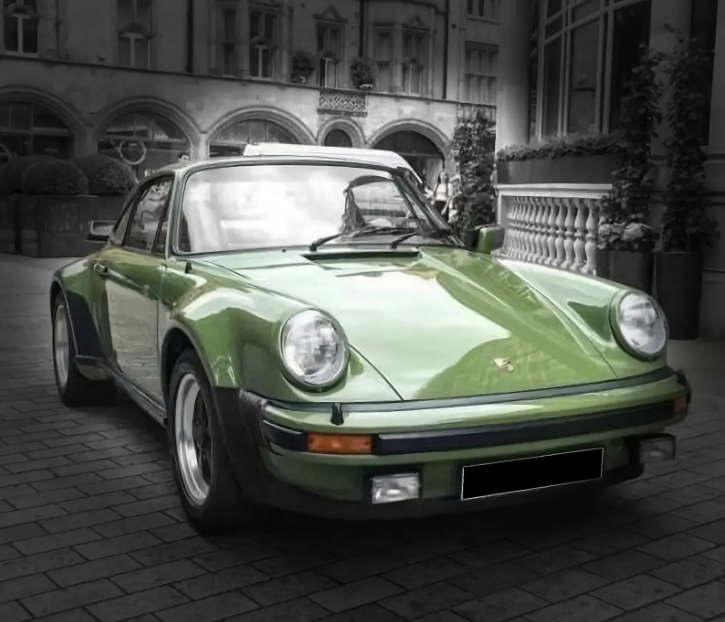
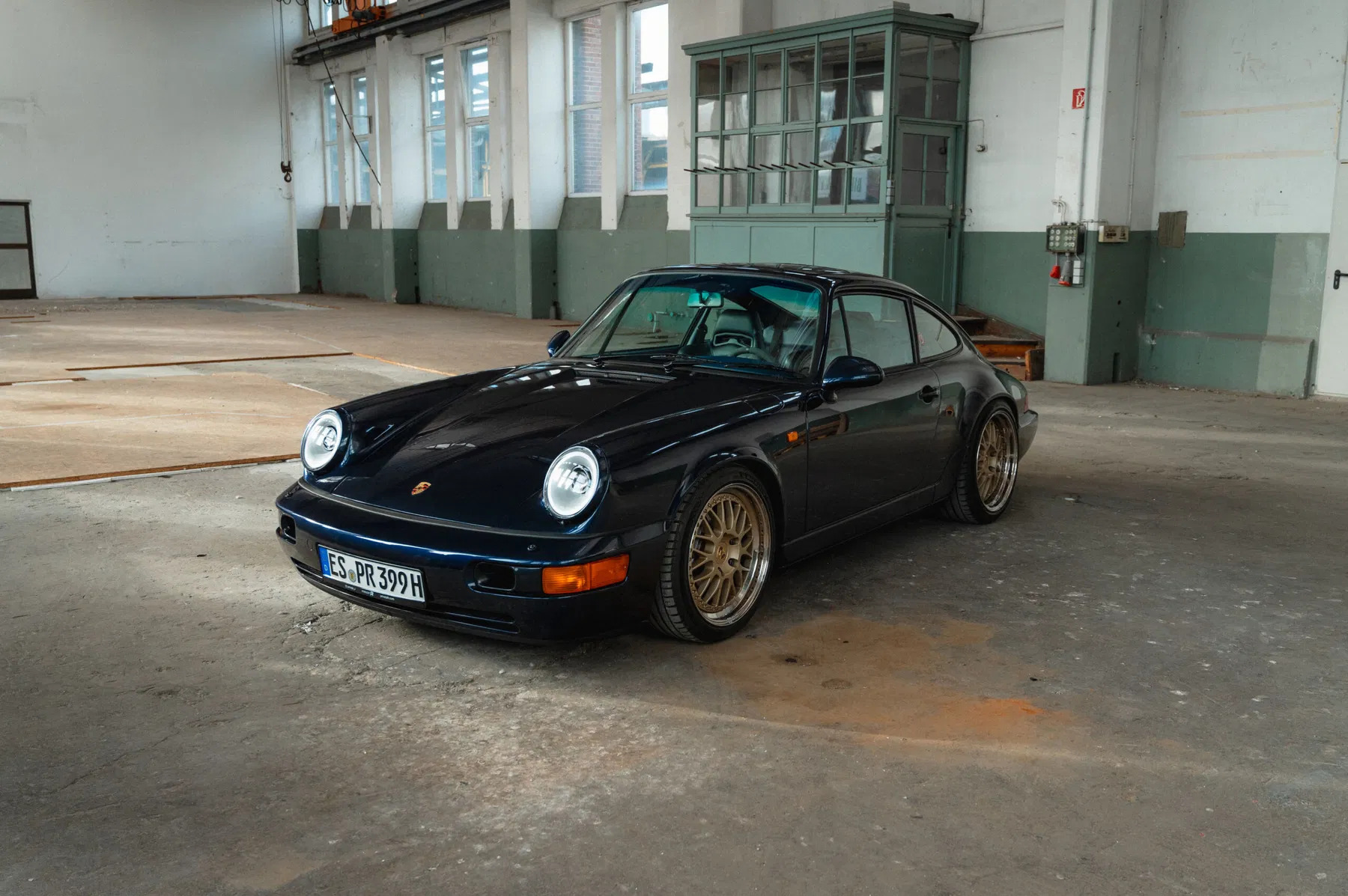
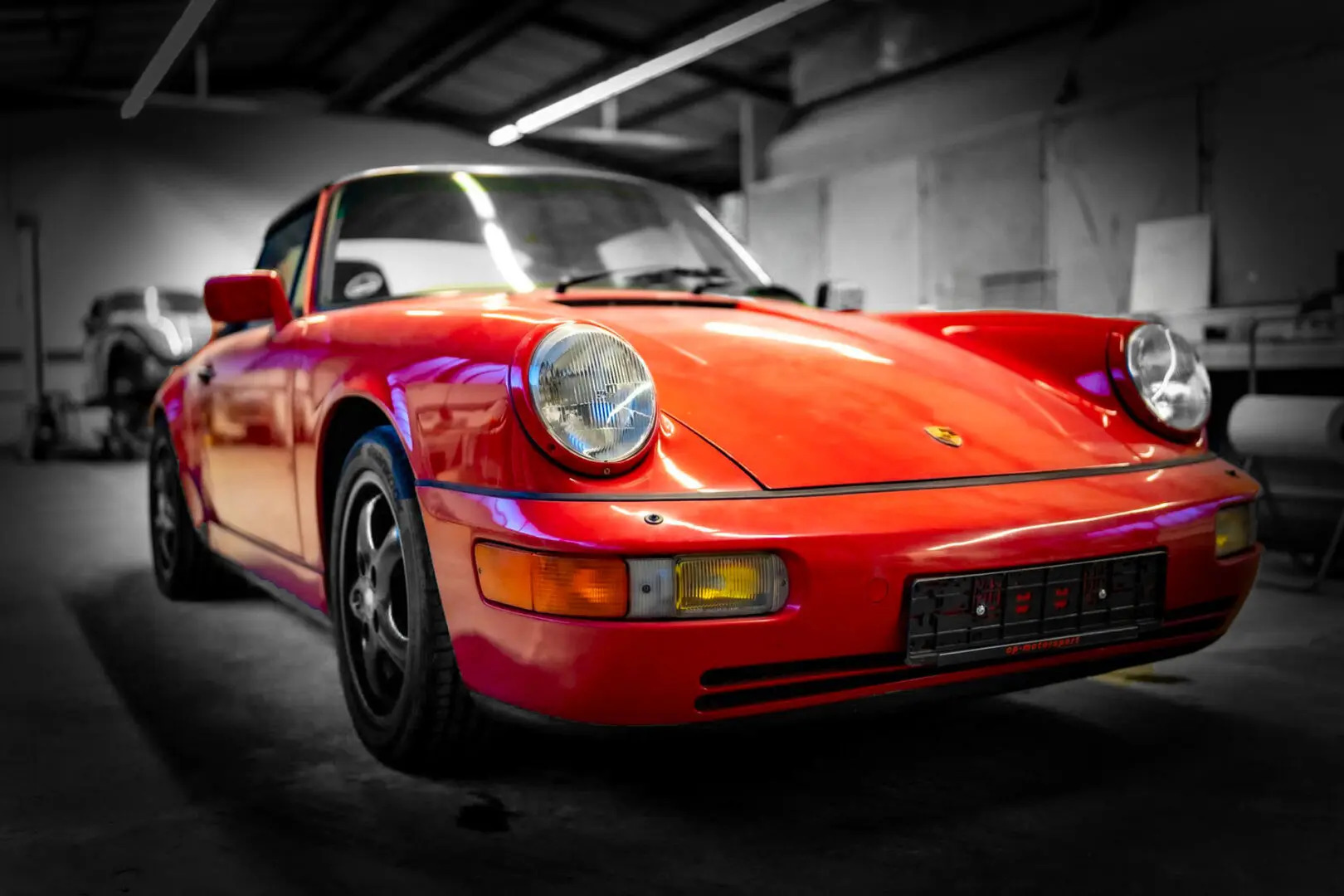
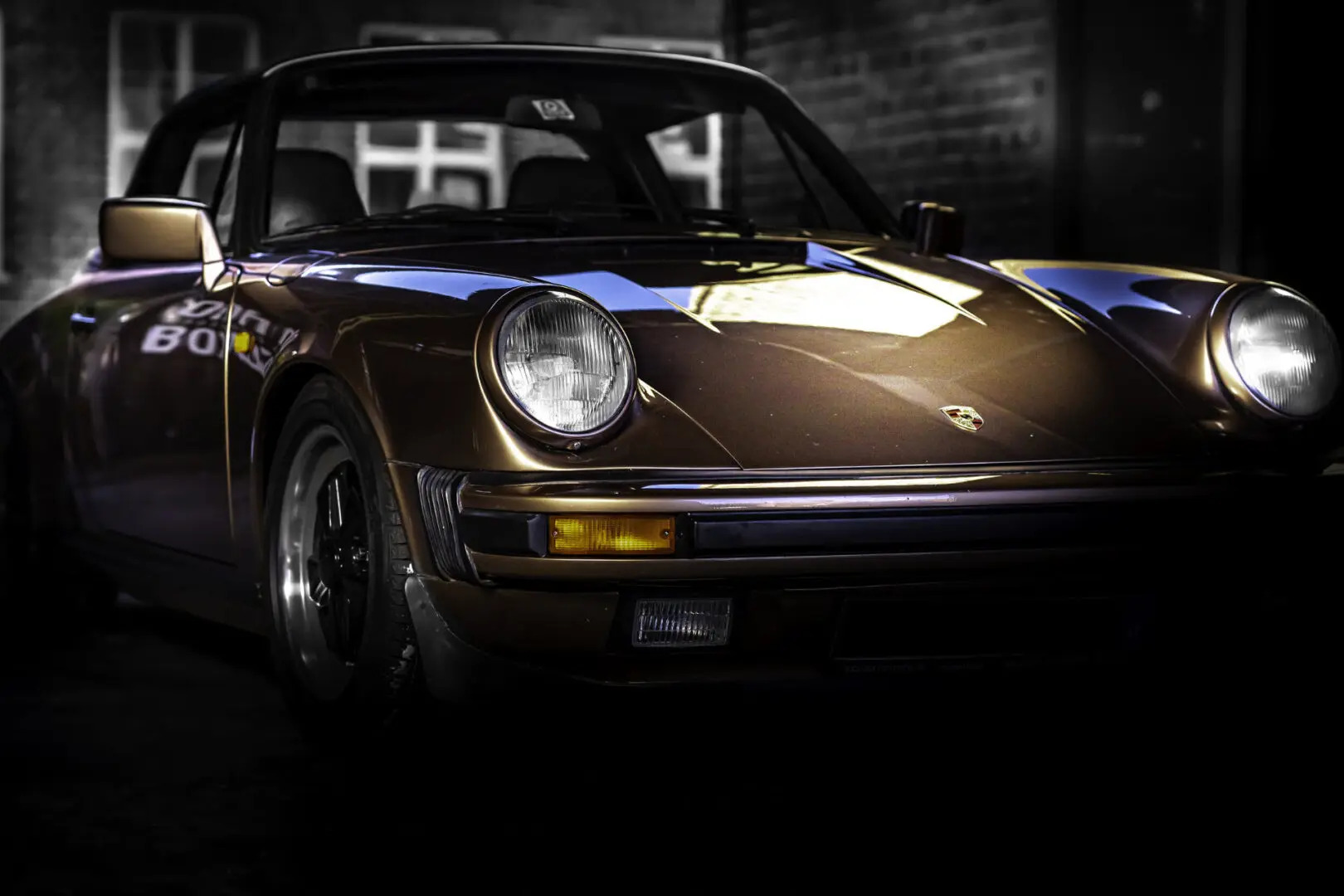
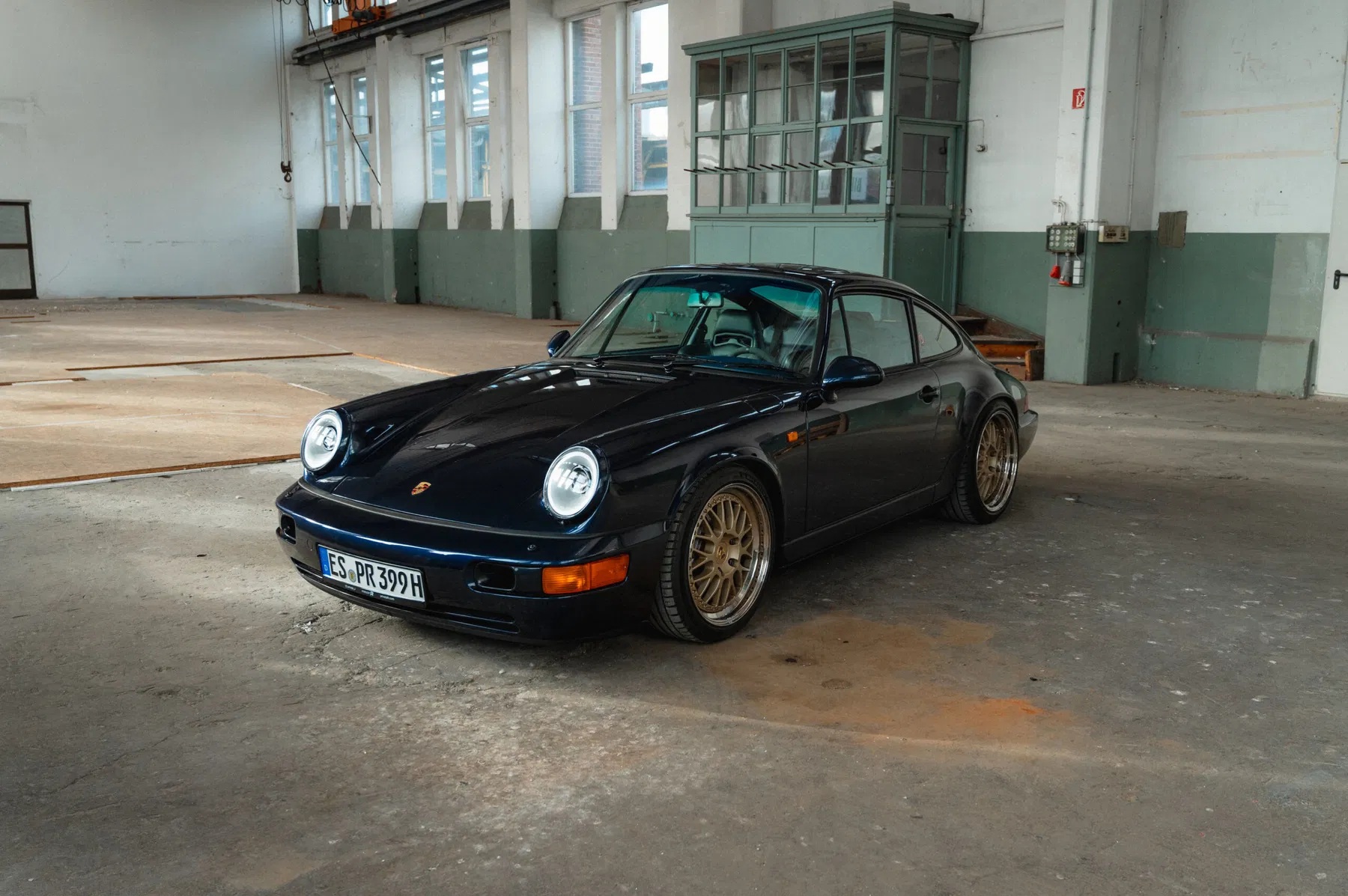
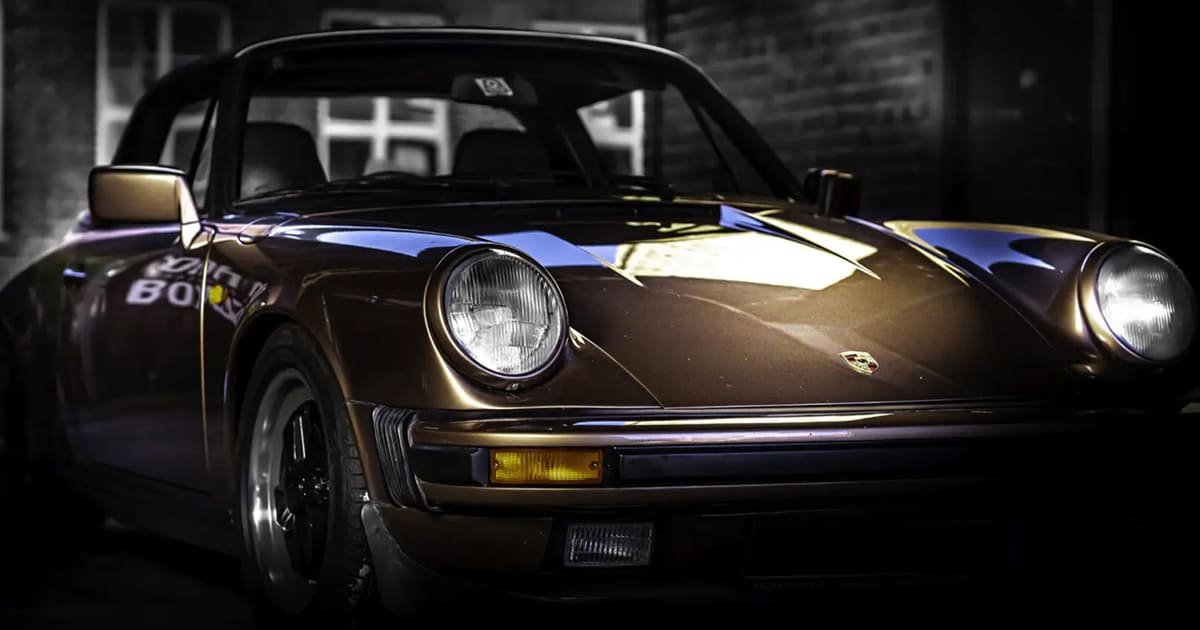
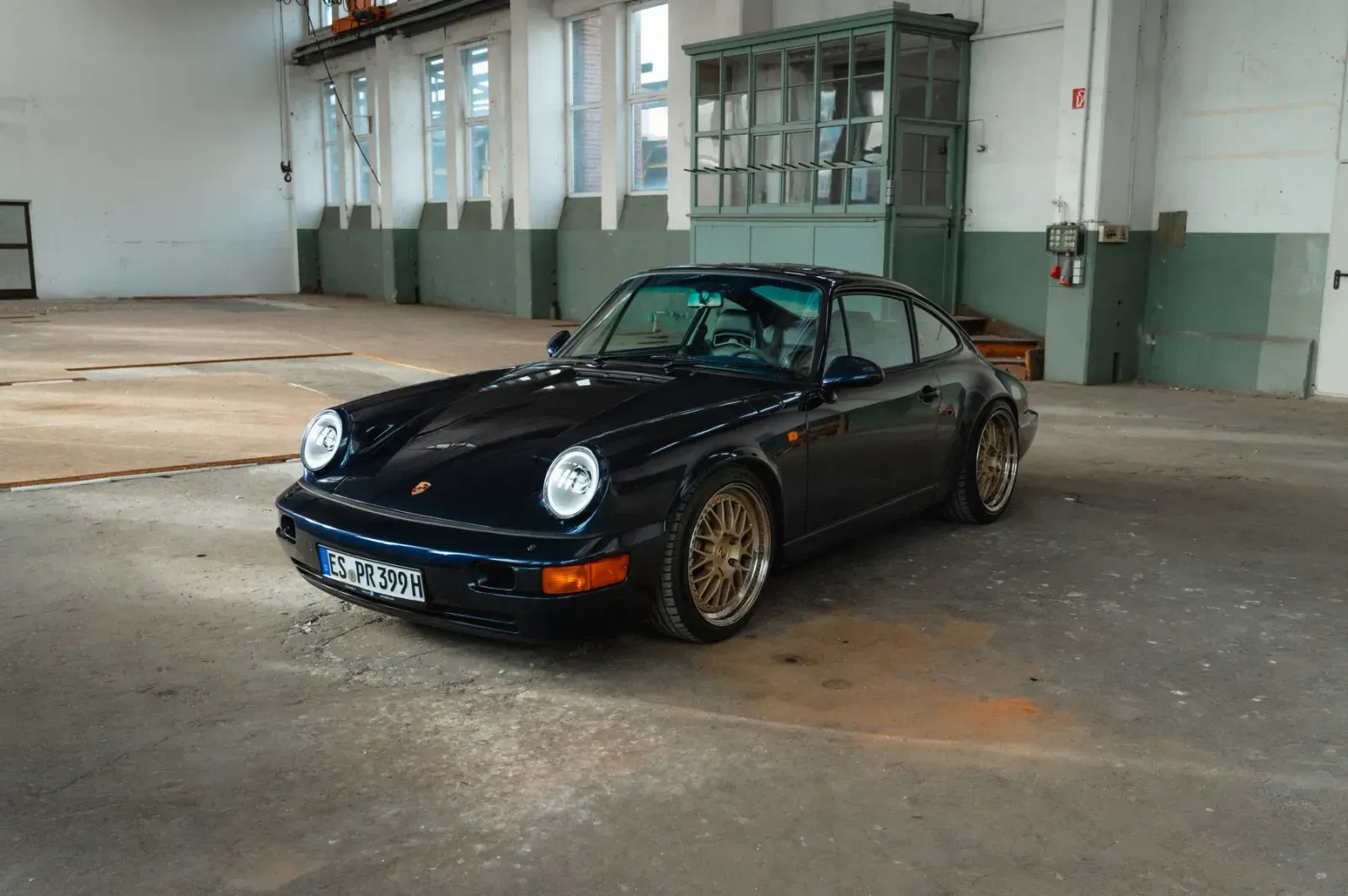
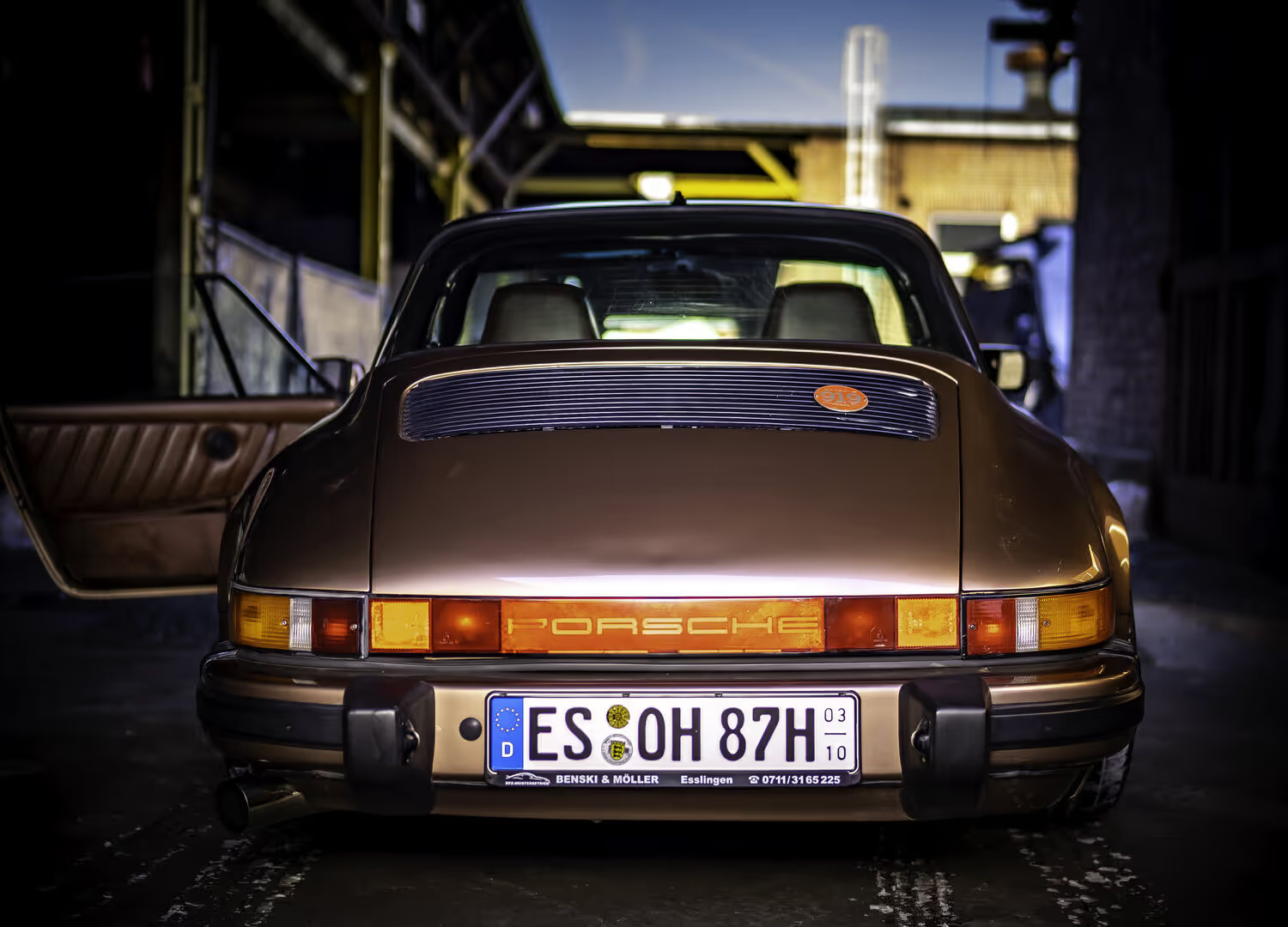
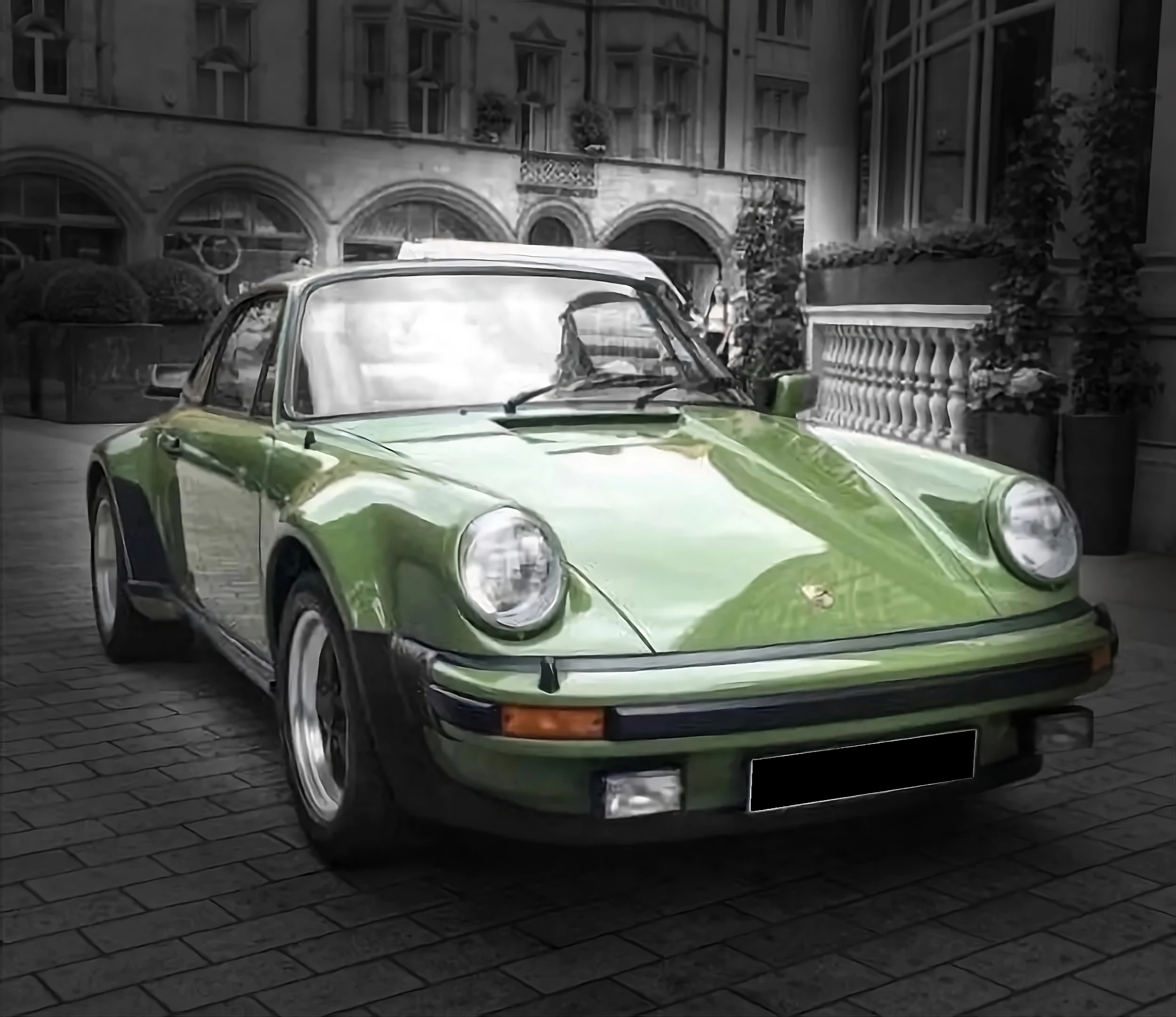
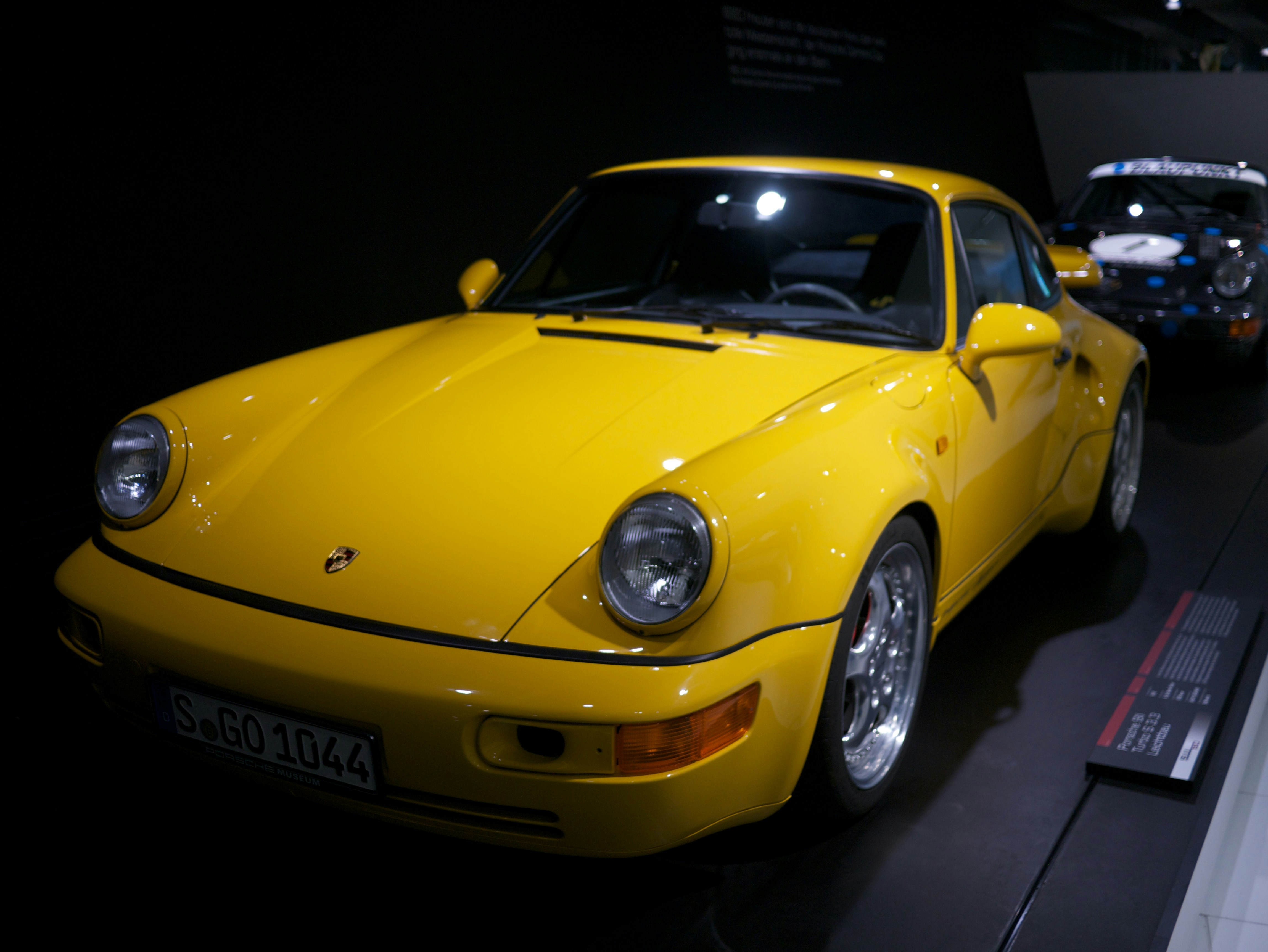
Depending on the base vehicle, for example a classic G-Series model or a 964, these points can be discussed with the inspector more or less easily. In our experience, certain model generations are more “cooperative” because they already left the factory with greater reserves in terms of safety and technology. This is exactly where a specialized, German-influenced atelier can help: we consider TÜV and historic registration from the very beginning, speak to the right partners early on, and plan the conversion in such a way that you do not find yourself facing closed doors later.
Emissions Rules and Low-Emission Zones: How “Clean” Does an Air-Cooled 911 Need to Be?
Alongside TÜV requirements, emissions and low-emission zones are playing an increasingly important role. In Europe, Euro emissions standards apply, although they are interpreted and implemented somewhat differently from country to country. There are noticeable differences between Germany, France, Italy, Switzerland, Spain, and the United Kingdom, especially when it comes to inner-city zones and environmental stickers.
An air-cooled 911 will never be tested like a current hybrid, but a great deal can be achieved with a catalytic converter, a coherent engine setup, and a properly calibrated exhaust system. Certain model years have a slight advantage here because they fall into a more favorable emissions category or work better with specific testing procedures.
For the selection of the donor vehicle, this means, for example:
- A later 3.2 Carrera or a 964 can often be presented more favorably from an emissions perspective in many countries than early G-Series models.
- Anyone regularly driving into German low-emission zones should put this topic at the very top of the list.
- Anyone using their 911 almost exclusively at weekends in rural regions of Switzerland or France can plan a little more freely when it comes to emissions.
- In very liberal markets, or for purely collectible vehicles, everyday use in the city becomes less important.
We often see two opposite profiles: the daily commuter who drives an air-cooled 911 to the office in a low-emission zone, and the collector whose car lives almost exclusively in the garage or on country roads. Each needs a different base. The important point is that the emissions strategy matches the intended use from the very beginning.
Paperwork, Country of Origin, and Donor Vehicle History
With an air-cooled 911, it is not only the metal that matters, but also the paperwork. A clear history, a traceable service life, and a clean chain of ownership provide security. This has emotional reasons, but also very practical ones, for example when it comes to future appraisals or tax assessments.
What we always pay attention to:
- complete registration documents and previous appraisals
- indications of accident repairs or modifications
- complete documentation in the case of import or re-import
- no problematic entries such as a “salvage title” in the country of origin
US imports, right-hand-drive vehicles from the United Kingdom, or specific Swiss constellations can raise questions later on. In these cases, a clean legal and technical review is worthwhile before the project begins. Ideally, all customs and tax documents, emissions certificates, old inspection reports, and any classic-car appraisals are fully available. We work discreetly in the background, including with authorities and foreign registries, without compromising the privacy of UHNWI clients.
Ideal Donor Profiles by Target Market
Depending on where the car is ultimately intended to be driven, the “ideal” donor profiles change. For clients in Germany or the DACH region, certain model generations have proven themselves in TÜV practice, including:
- 3.0 SC as a solid, purist base
- 3.2 Carrera with good everyday usability
- 964 with more modern technology and greater reserves in the braking and suspension systems
With regard to historic registration and low-emission zones, many things are possible here, provided the concept and paperwork are coherent. In cities with permanent low-emission zones, it is worth developing a long-term strategy so that the vehicle is not excluded at some point in the future.
In other countries, the priorities shift. In France, Italy, or Spain, the focus is often on registration eligibility after import. In Switzerland, technical details are sometimes examined very closely. In the United States, the individual state and local emissions rules play a role. In the UAE, heat exposure can be an important factor for an air-cooled 911, for example when it comes to cooling concept and engine calibration.
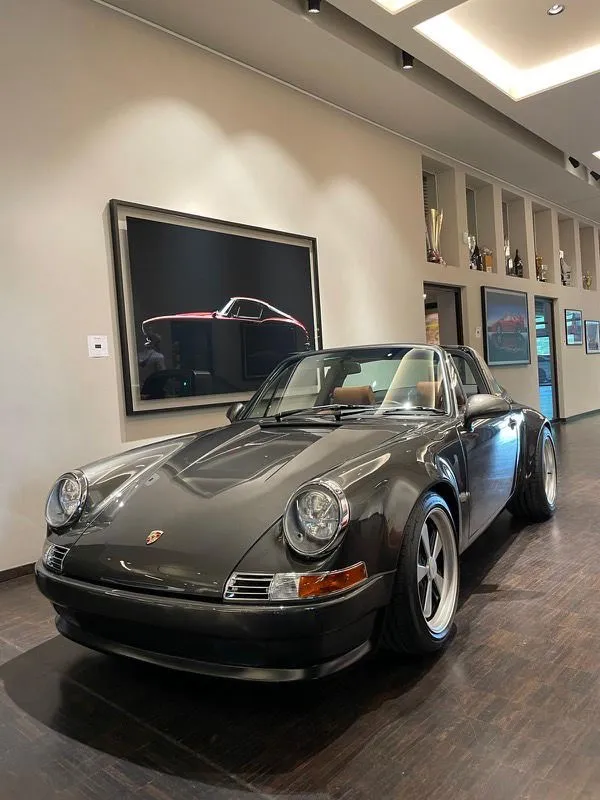
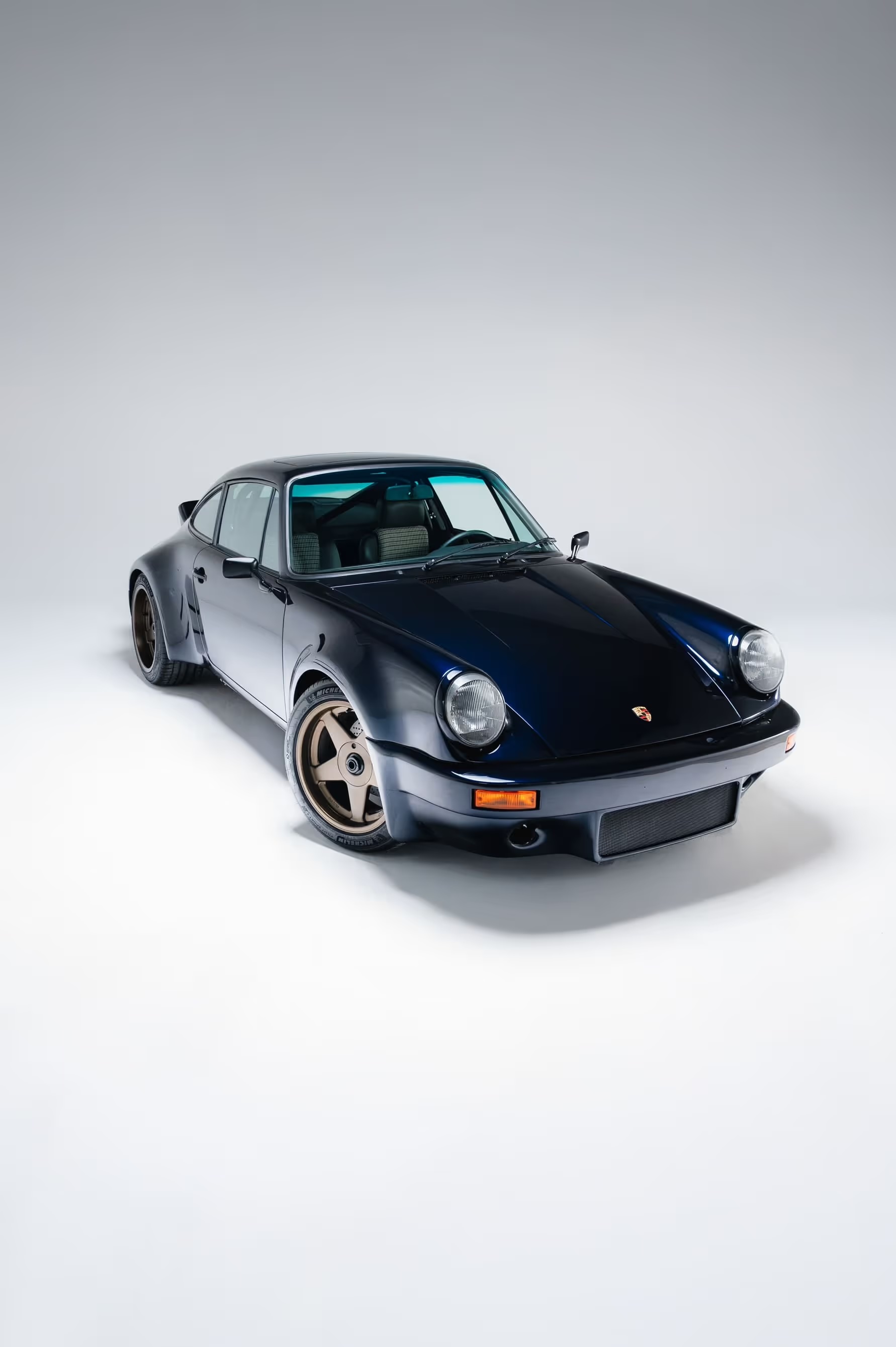
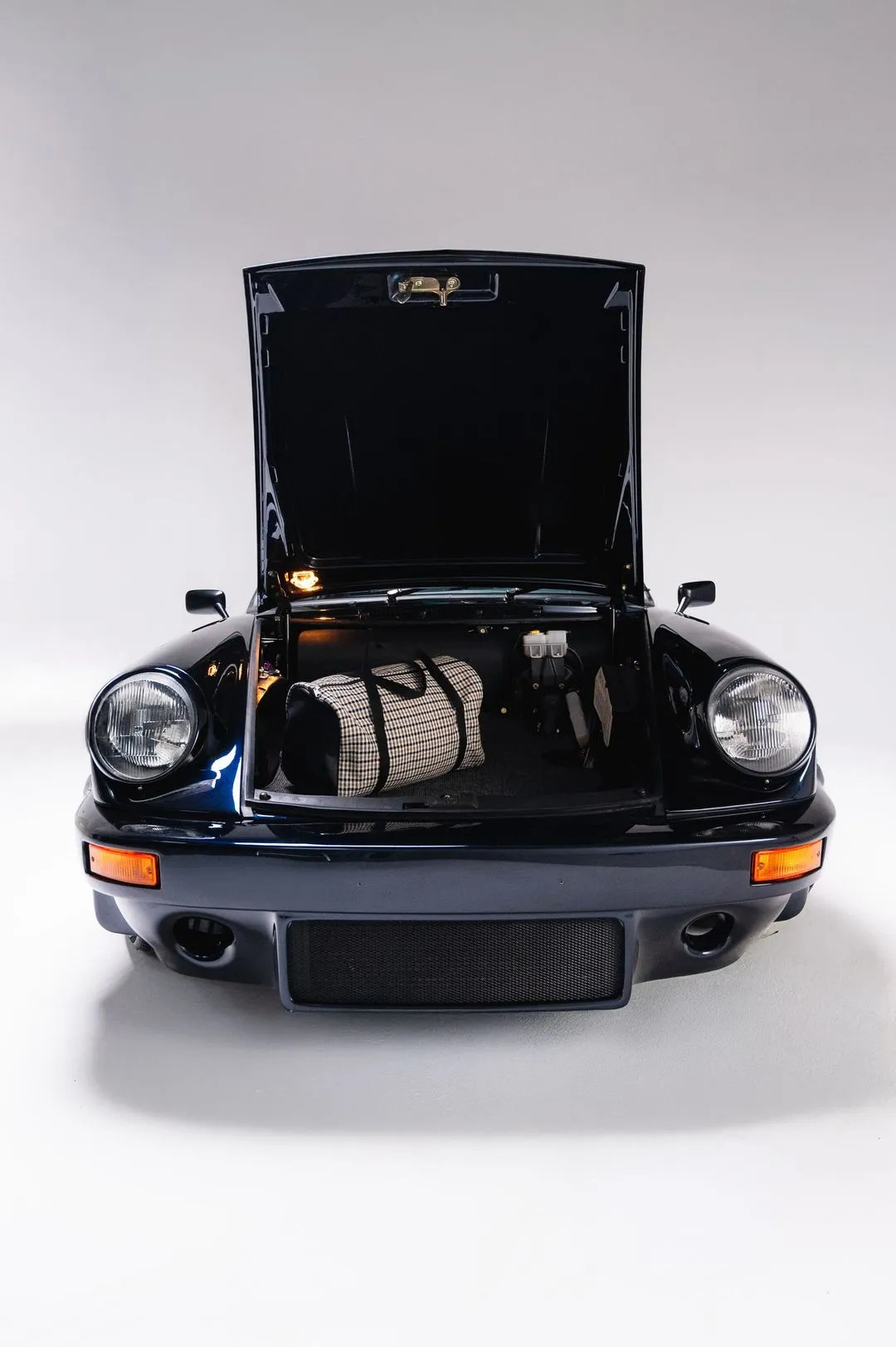
Well-known high-end builders abroad, such as Singer as one of the most prominent competitors, often work without the constraints of German homologation. We deliberately take a different approach to our donor concept: with a focus on German registration eligibility, everyday usability, and very restrained, OEM-oriented solutions, combined with high standards of precision, material quality, and German craftsmanship. In the end, there is no single “perfect” donor. It is always a matrix of country of origin, model year, body style, engine specification, and your personal usage profile.
From the Idea to a Road-Ready Project
For us, the process does not begin with the color of the seat stitching, but with a structured initial assessment. We discuss your country of residence, possible second homes, planned use, desired performance, and the regulatory environment. Only once these parameters are clear does it make sense to move on to design and technical details.
If you do not yet own an air-cooled 911, you can benefit from a guided search. This can include independent vehicle inspections, a technical and legal review, and an assessment of whether the car in question is suitable as the basis for a backdate or an OEM-plus conversion. If you already have a donor car in your garage, you will first receive an honest status report: what is feasible, what could only be represented with considerable additional effort, and where a different starting vehicle might make more sense.
From this analysis, we develop an individual roadmap. Typically, it leads from the donor check to a TÜV and emissions concept, and then to a clearly defined conversion specification. The goal is a 911 that not only fits you perfectly on an emotional level, but is also technically and formally aligned with its target market. That is precisely when an air-cooled 911 becomes what we at PRINZIP R strive for: a discreet, driveable dream that will bring you lasting enjoyment, shaped by high quality, German craftsmanship, and deep respect for PORSCHE and the 911.
Discover How Your Classic 911 Can Gain More Driving Pleasure and Everyday Usability
If you are considering taking your air-cooled 911 to a new technical and craftsmanship level, we will accompany you through every step, from the first idea to the final test drive. At PRINZIP R, we work with you to develop a restrained yet consistently driver-focused concept that combines original character with modern performance. Write to us via our contact page to discuss your project and learn more about the possibilities for your individual build.
Unsere in Handarbeit optimierten Projekte - Maßgeschneidert auf persönliche Präferenzen
%20(1)%20(1).avif)
.avif)












.jpeg)
.avif)