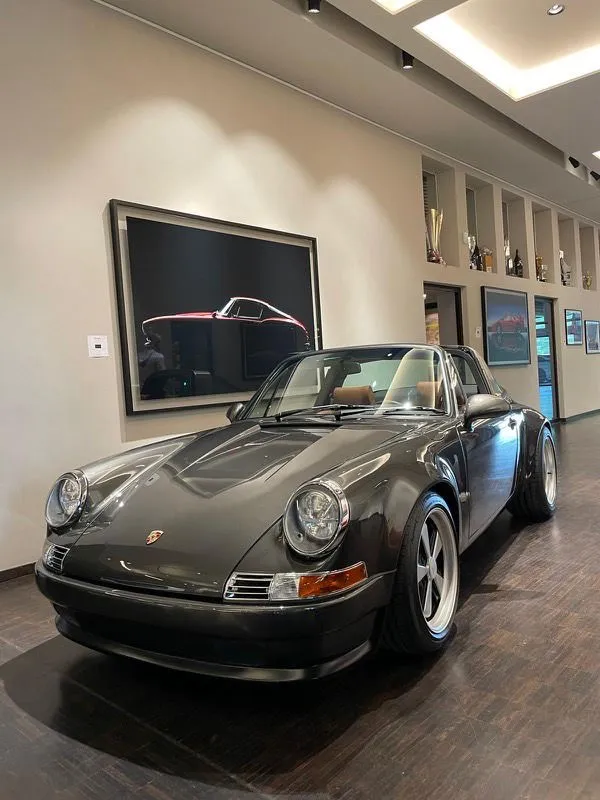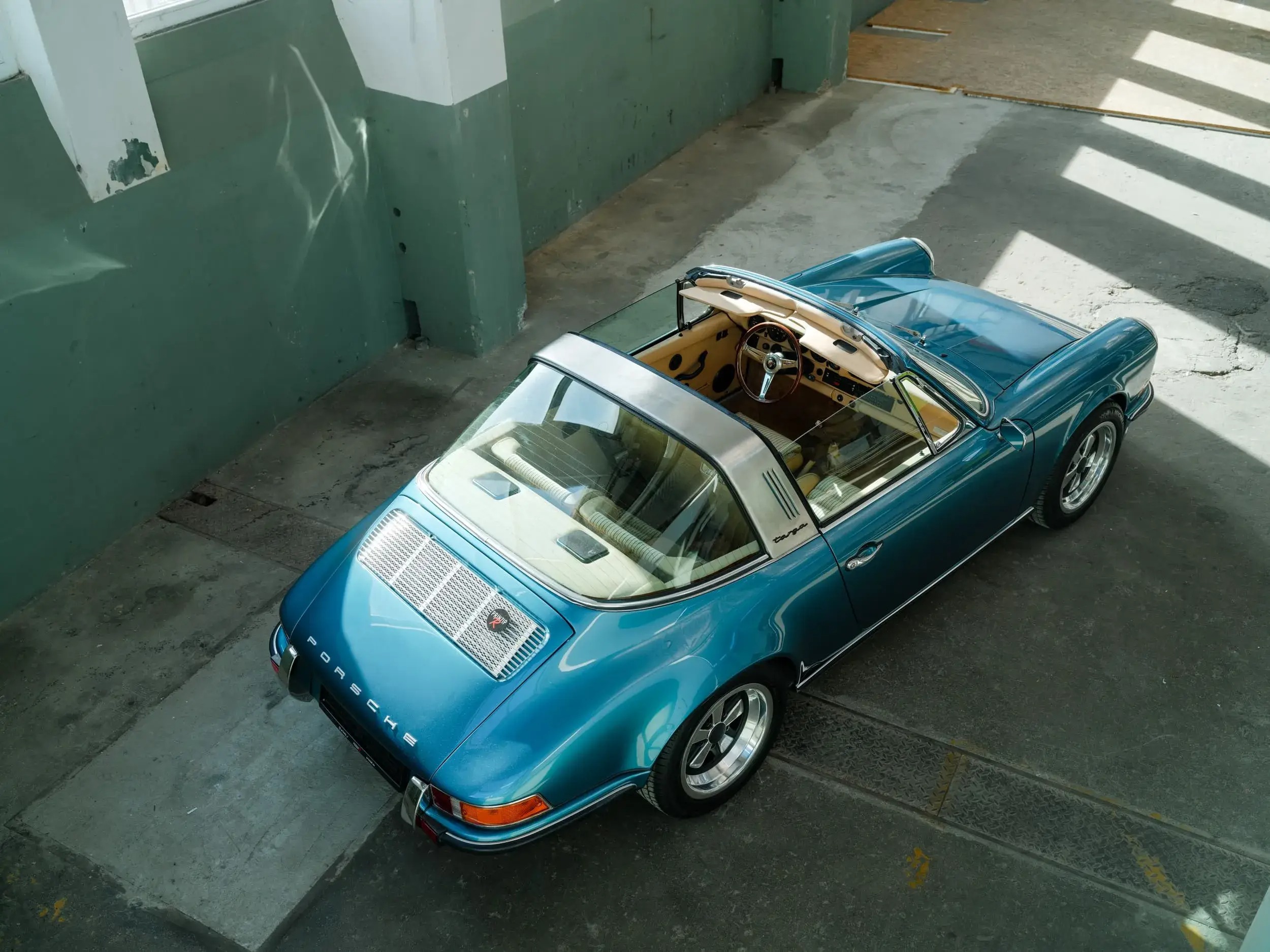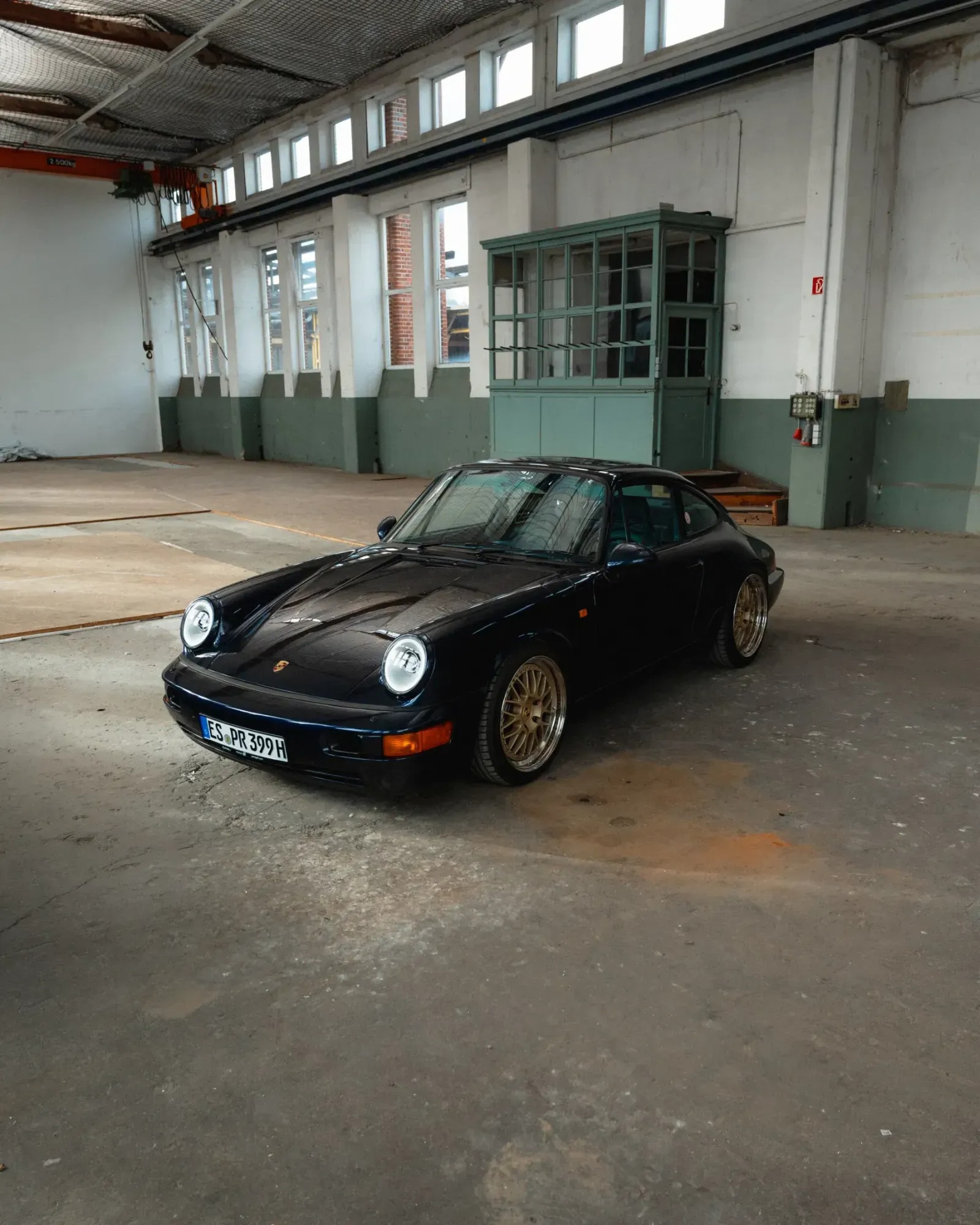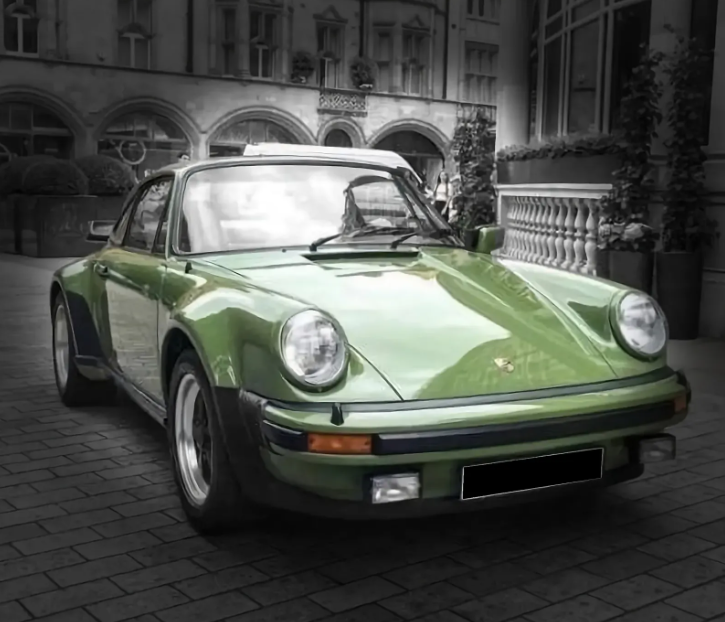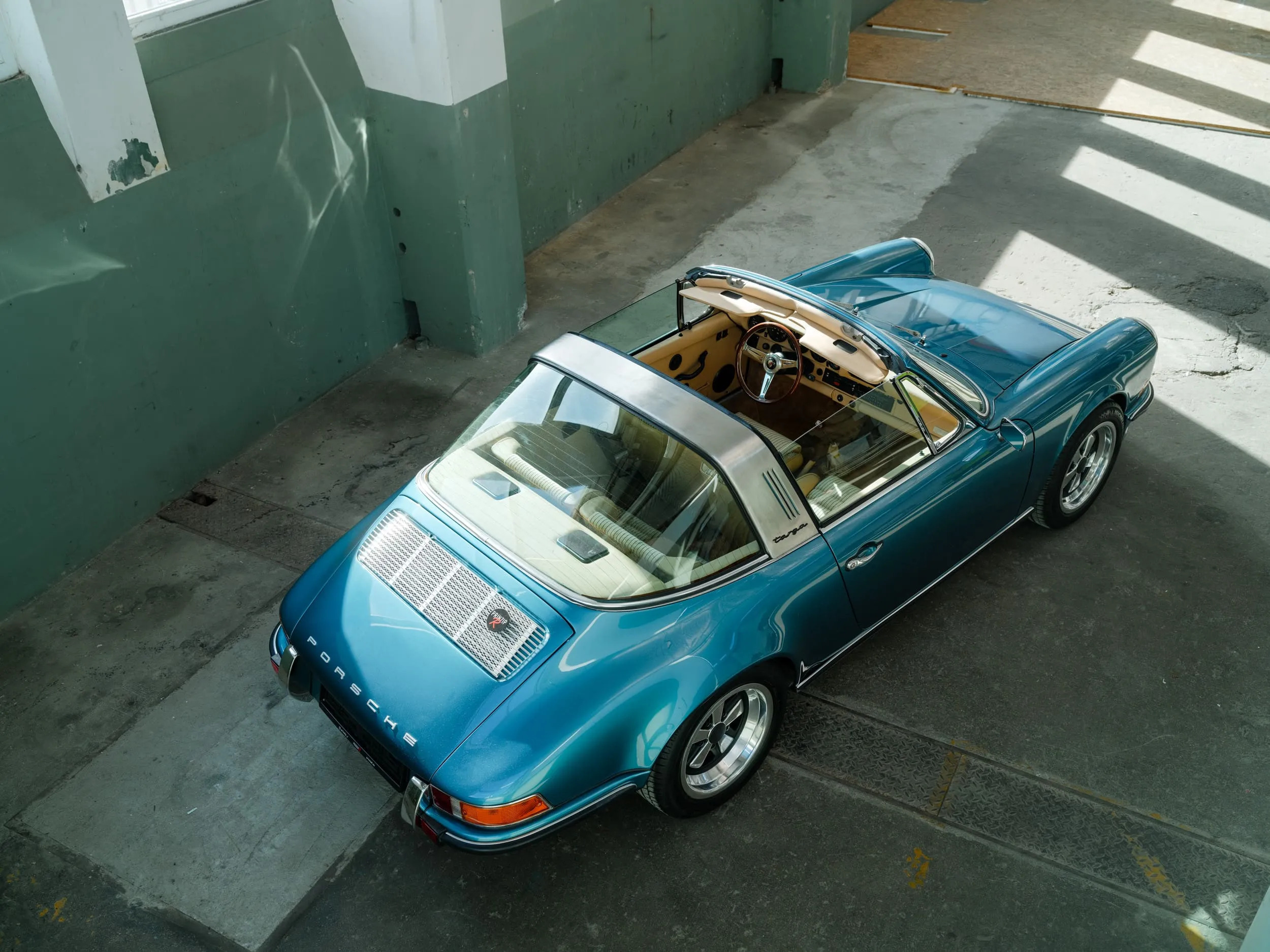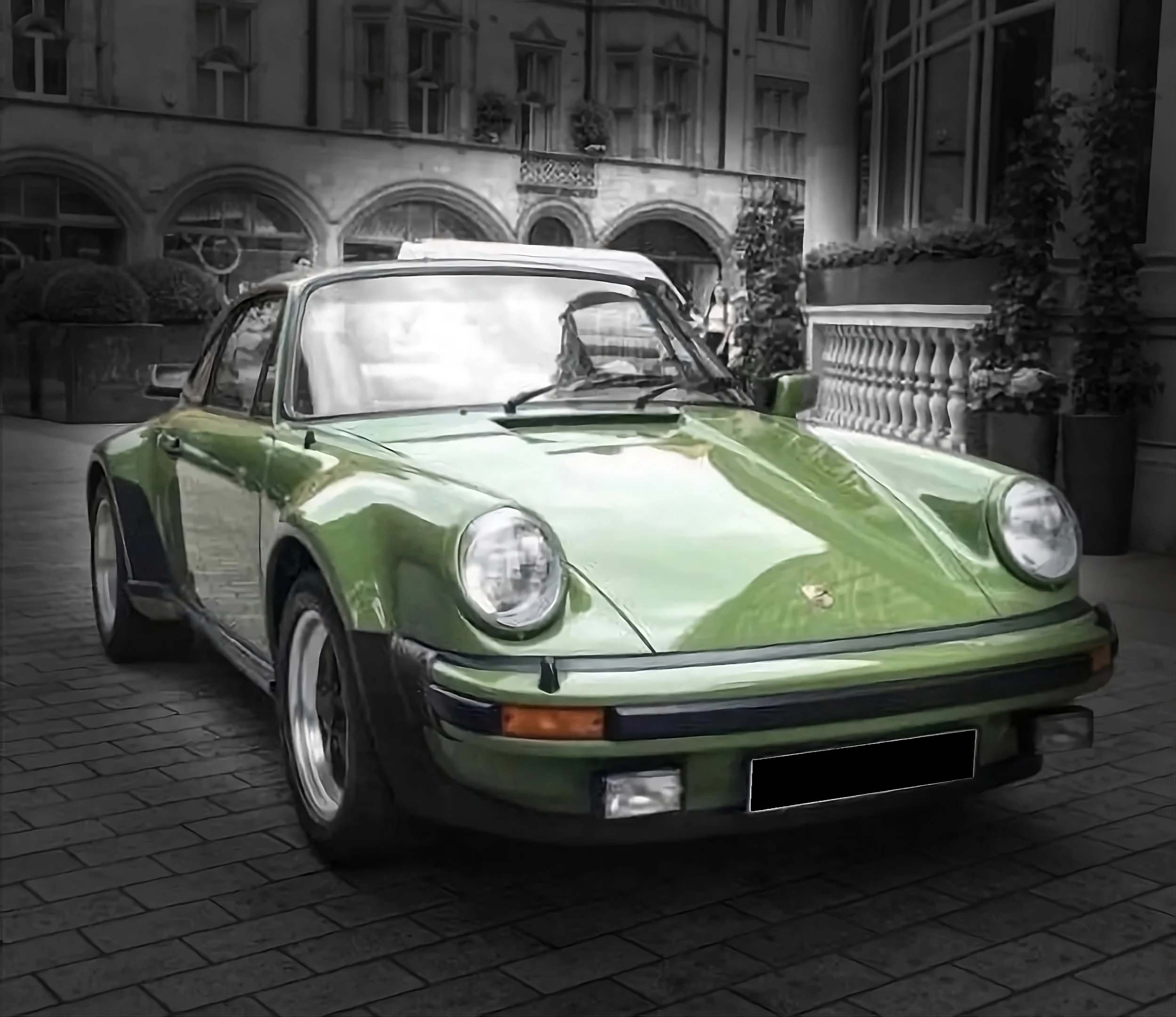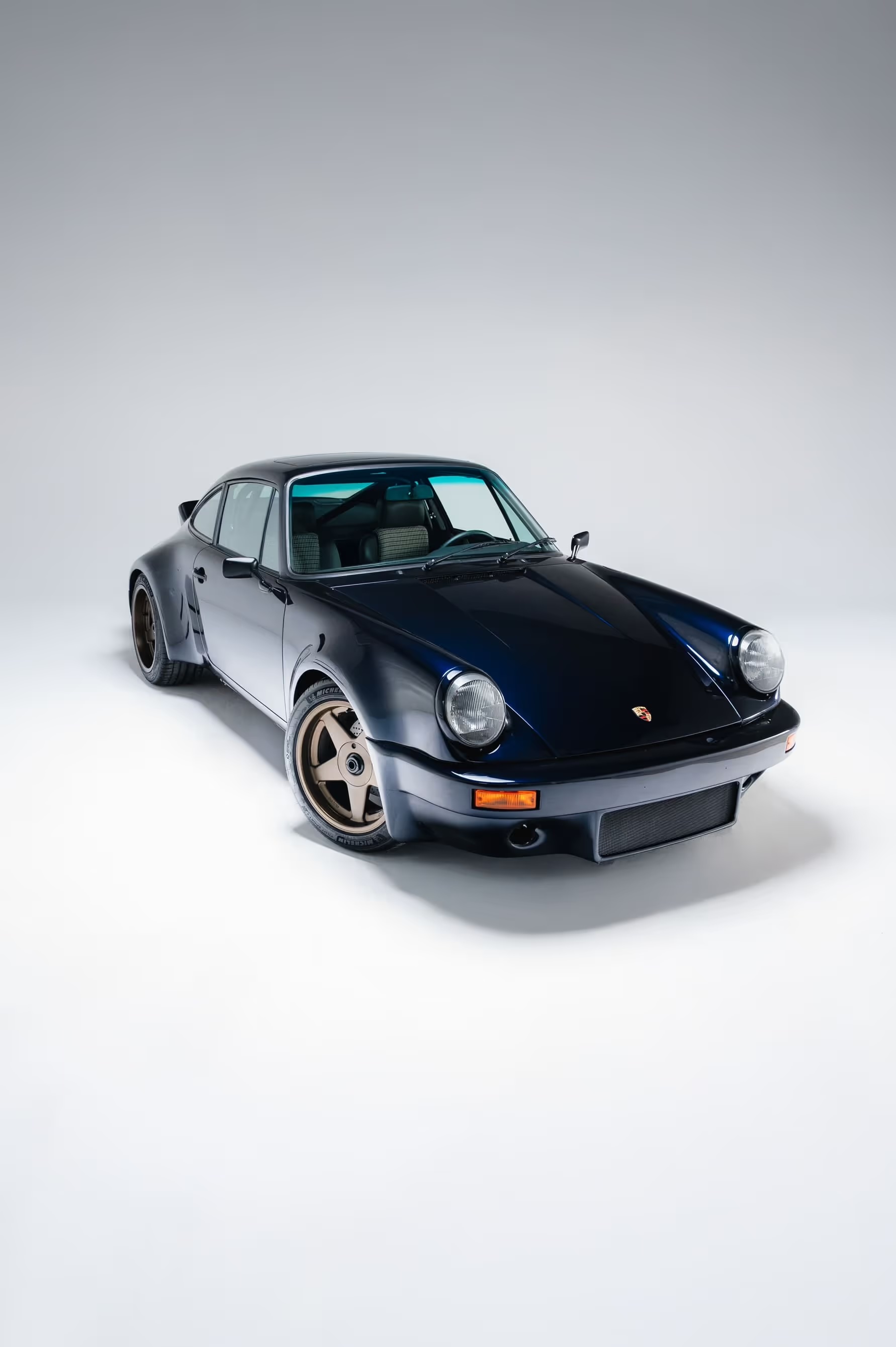

Discreet Street Power for an Air-Cooled 911: Gearing, Cooling, NVH, ECU Tuning

September 28, 2026
Quiet Confidence on the Street, Not the Dyno
A street-driven air-cooled 911 does not need to shout to feel quick. What matters is how it pulls from low revs in third, how calm it feels on a wet commute, how relaxed it is at a steady cruise on a grey Monday. That is where real Porsche 911 tuning for daily use starts.
We think in terms of discreet power. Not huge dyno sheets to frame on a wall, but performance you feel in your shoulders and breathing, not in constant drama from the engine bay. The car should start cleanly on a cold autumn morning, warm through with care, then flow along your usual roads with a quiet confidence that never gets old.
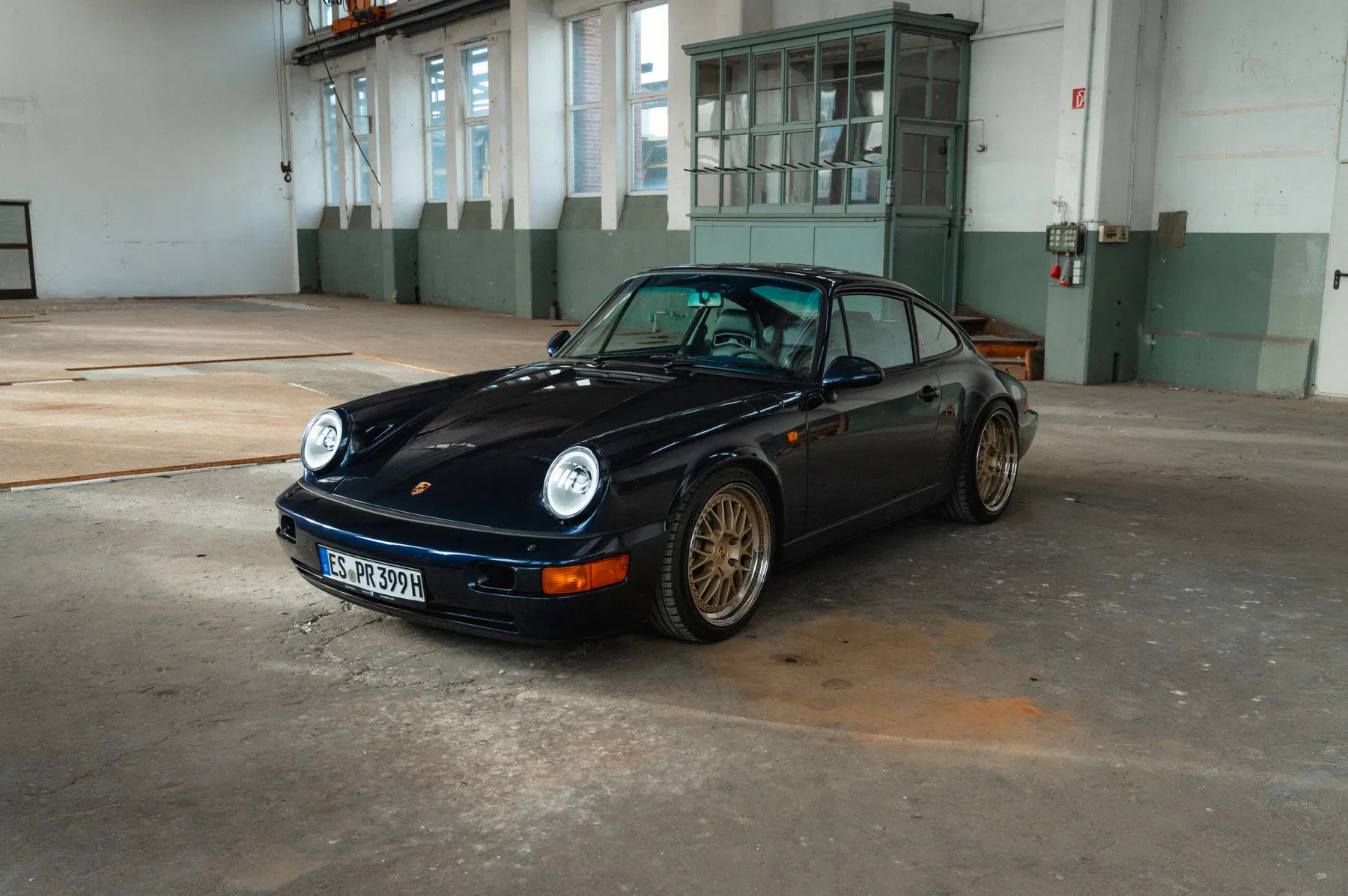
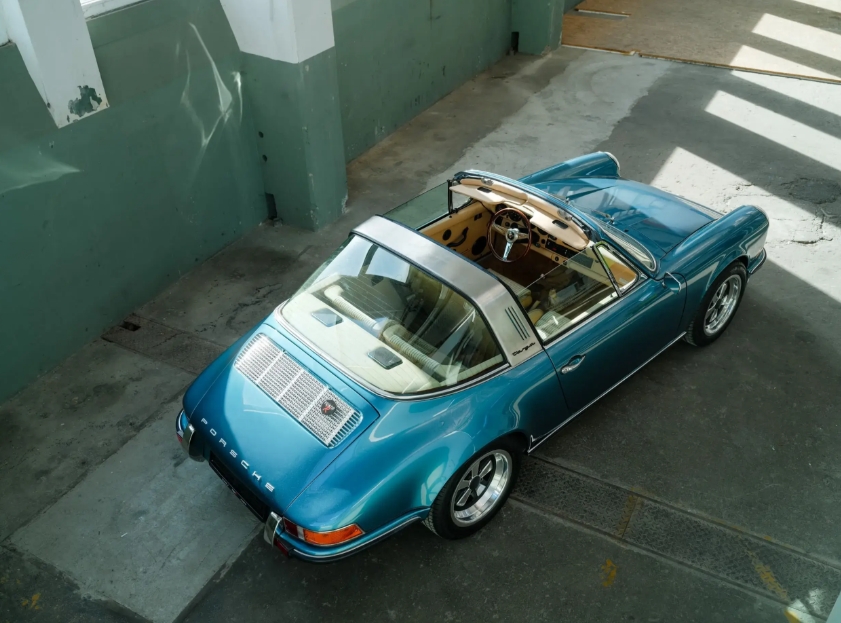
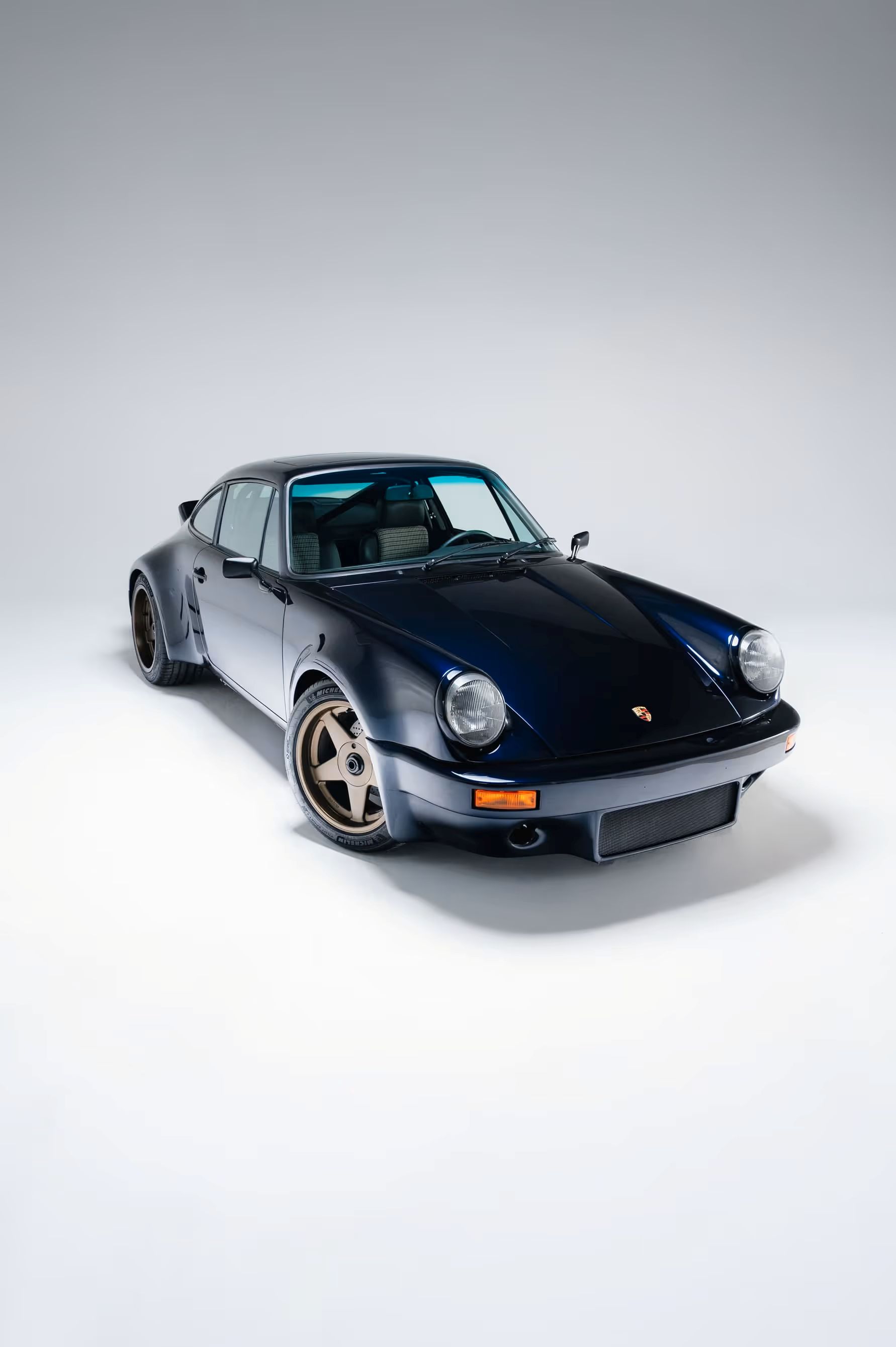
Our workshop in Germany focuses on taking each donor 911 and shaping it around the owner, their life, and their favourite roads. Rather than chasing trends, we work with the core character of the air-cooled flat six. Four areas decide how that character feels in daily use, especially as autumn turns into winter rain and early darkness: gearing, cooling, NVH and ECU calibration.
Gearing for Effortless Real-World Pace
Gear ratios in classic 911s were chosen for different traffic, different tyres and different expectations. Today, we sit in longer jams, cruise at different Autobahn speeds and take more short trips. That is why stock gearing can feel either busy and fidgety, or lazy and dull, depending on where you spend your time.
Thoughtful gearing can quietly transform the car. By choosing the right ratios and final drive, we can:
- Make in-gear acceleration stronger where you actually drive
- Cut unnecessary shifts on B-roads
- Make overtakes shorter and cleaner
- Keep the engine in its happy torque band more often
For example, if you mainly use the car on flowing country roads, we may tighten second, third and fourth so the engine sits right on its sweet spot when you roll back into the throttle out of a bend. If you live with more urban traffic, we might stretch first slightly and shape second and third so the car feels flexible at low speeds without lugging.
Refinement is just as important. A classic air-cooled flat six likes to work, but it does not need to be busy all the time. Matching the gearing to the torque curve means that at a steady 130 km/h on the Autobahn, the engine settles into a smooth, low-strain rhythm. You get less noise, less fuel use and a feeling that the car is built for this, not just coping with it.
Cooling That Works in July Heat and October Rain
An air-cooled 911 used as a true daily driver has a hard life. It might crawl through slow traffic in summer heat, then do short, cold, damp runs in autumn and winter. Oil temperature, warm-up behaviour and condensation become real concerns, especially when the engine is tuned for more power.
Modern but discreet cooling upgrades help the car keep its composure across all of that. The focus is not only on peak temperature on a track day, but on stable control in real life:
- Higher efficiency oil coolers that still look period correct
- Improved ducting so air actually moves through the cooler, not around it
- Better fans that pull heat out in slow traffic
- Thoughtfully chosen thermostats for balanced warm-up
We also pay attention to airflow in and out of the engine bay. It is easy to add parts that look aggressive but disturb the flow of air around the fan and shroud. Instead, we prefer changes that blend in visually while working hard in the background. When cooling is right, oil temperature climbs smoothly, then sits steady, even when the weather swings from July sun to October rain.
Good cooling is a quiet guard for engine health. Stable temperatures mean less stress on components, fewer hot spots inside the heads and more predictable behaviour for the ECU or mechanical system. It also lets us extract discreet extra performance without giving up reliability or period character.
Civilised NVH for Long-Distance Enjoyment
NVH stands for noise, vibration and harshness. Put simply, it is how the car sounds and feels to your body over time. A classic 911 lives on feedback, but if every trip means buzzing trim, droning exhaust and shaking mirrors, you start to leave it parked when the weather turns bad.
We treat NVH like tuning an instrument. The aim is not silence, it is balance. We want:
- A clear flat six voice without booming at cruising speed
- Firm, precise engine and gearbox mounts without annoying buzz
- Targeted sound insulation in key areas, not a heavy blanket over the whole shell
- Cabin resonance under control so long trips feel calm
The result is a car that still talks to you, but in a more refined accent. You feel the mechanical link to the rear axle, the weight transfer, the road surface, yet the coarse frequencies that make your head tired on the motorway are gently pushed into the background. It is surprising how much more powerful a car can feel when it moves without rattles or cheap-sounding harshness.
This shaping of NVH also changes how your brain reads performance. A quieter, more composed 911 feels sharper and more expensive even if the dyno number is modest. You are more relaxed, so you use more of the engine, more of the chassis and enjoy the car over a full day, not just a quick blast.
ECU Calibration as a Discreet Power Multiplier
Modern engine management on an air-cooled flat six, whether original electronic systems or later conversions, gives us a fine brush for Porsche 911 tuning. When we calibrate an ECU, our aim is not just more peak power. We care about how the car reacts to your right foot in the first centimetre of pedal travel, first thing on a cold, damp morning.
Precise mapping of ignition, fuelling and throttle lets us:
- Improve cold start and warm-up behaviour
- Remove flat spots and hesitation at part throttle
- Increase mid-range torque where you use it most
- Make the car feel naturally responsive, not jumpy
Calibration does not live on its own. It is tied closely to gearing, cooling and NVH. Shorter gearing can make a soft map feel lively, while a louder exhaust can hide small calibration flaws. Better cooling keeps combustion temperatures predictable so we can run timing and fuel in a way that feels crisp yet safe.
Our approach blends data with human feel. We log, we listen, we drive, we adjust, and then we repeat until the donor car, with its specific engine, gearbox, exhaust and use case, feels cohesive. The result should be a 911 that simply does what you ask, in rain or sun, in city traffic or on an empty mountain pass, without ever feeling like a rough track toy.
Crafting Your Own Discreetly Fast 911
Real performance in a street-driven air-cooled 911 is an experience, not a statistic. When gearing, cooling, NVH and ECU calibration all work together, the car feels naturally quick, calm and confidence-inspiring in every season. It glides through cold, wet evenings and stretches its legs on dry weekends with the same quiet assurance.
At PRINZIP R, we take each donor 911 and start with questions about life, not just power. Do you spend more time in the city, on the Autobahn, or on quiet country roads? Do you enjoy long continental trips, or mostly short runs between home and office? Your answers shape how we think about ratios, cooling strategy, NVH balance and calibration targets.
By treating these four areas as one connected system, we can create a 911 that does not shout about its speed, but proves it every time you turn the key and roll away.
Get Started With Your Project Today
If you are ready to take your 911 to the next level, our specialists at PRINZIP R are here to guide you through every detail. Arrange a bespoke Porsche 911 tuning consultation so we can understand your goals and build a car that truly reflects them. If you prefer to discuss options first or have specific questions, simply contact us and we will respond promptly with clear, expert advice.
Unsere in Handarbeit optimierten Projekte - Maßgeschneidert auf persönliche Präferenzen